The plant most commonly sold and searched as a 'paper flower plant' is bougainvillea, a tropical vine whose papery, tissue-thin bracts give it that name. It blooms in waves of magenta, orange, red, white, or purple, and with the right setup it will flower reliably through a full season. The key ingredients are maximum sun, good drainage, a bit of root stress (counterintuitive but real), and pruning after each bloom flush to trigger the next one. Get those four things right and you'll have color from late spring through fall.
How to Grow a Paper Flower Plant Step by Step
James Holloway
9 Jun 2026
Know what 'paper flower' you're growing and what it needs
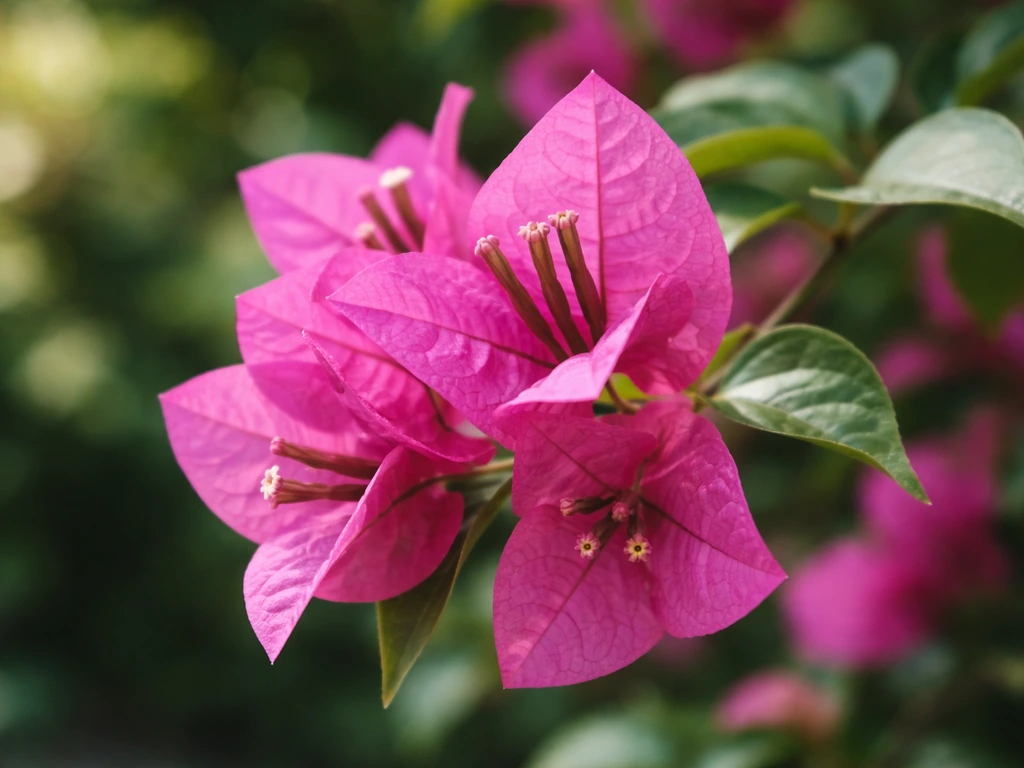
Bougainvillea earned its common name 'paper flower' because its bracts, the showy colored parts everyone admires, are literally thin and papery to the touch. The tiny white dots in the center are the actual flowers; the bracts are modified leaves. This distinction matters practically: when the bracts drop (and they will, especially after moving or stressing the plant), the plant isn't dying, it's just cycling through a flush. The most widely available cultivars include 'Barbara Karst' (deep magenta, vigorous, great for containers or training on a trellis), 'Raspberry Ice' (variegated leaves with hot pink bracts), and 'Helen Johnson' (dwarf habit, good for small pots). If you're in USDA zones 9b through 11, you can grow bougainvillea in the ground as a true perennial. Everyone else, plan on containers from the start.
One quick clarification worth making: 'paper flower' occasionally refers to other plants in different regions or contexts. Streptocarpus (cape primrose) sometimes carries that label too, and it's a completely different plant requiring shade, cool temperatures around 60 to 70°F (16 to 21°C), and indirect light. If the plant you have or want has soft, tongue-shaped leaves and tubular blooms rather than a vigorous vining habit and bracts, you may be growing streptocarpus instead. This guide focuses primarily on bougainvillea since that's by far the most common 'paper flower plant' you'll find at nurseries and garden centers, but I'll flag where streptocarpus care diverges significantly.
Best planting conditions: sun, temperature, soil, and containers vs. ground
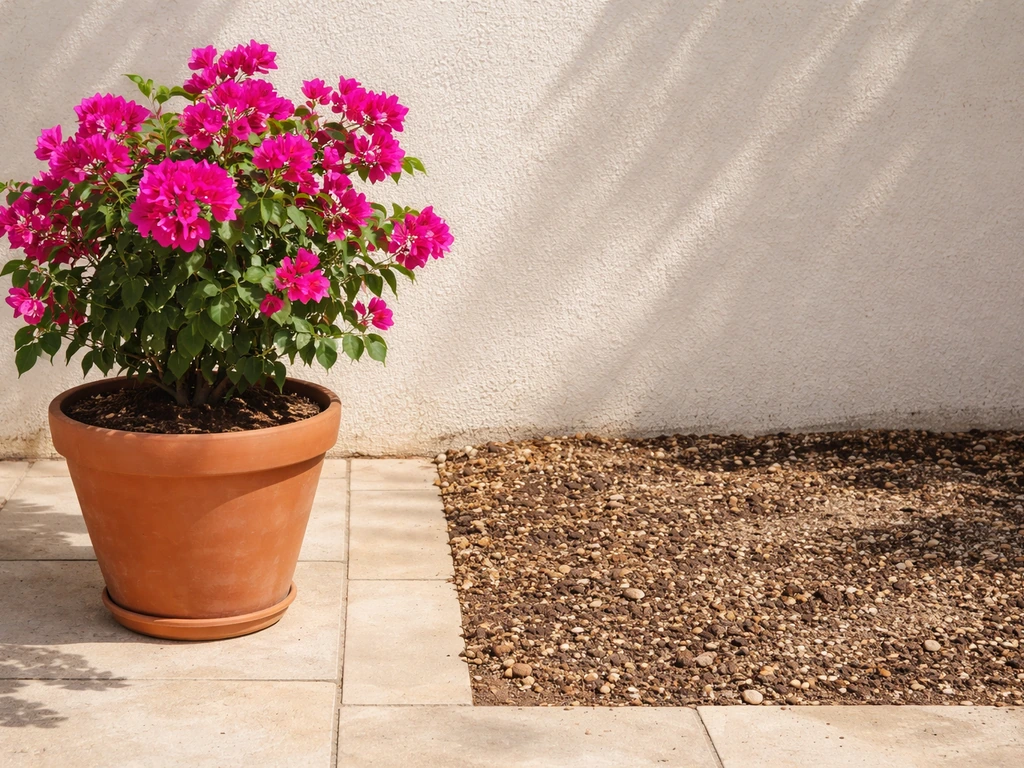
Bougainvillea is not subtle about what it wants: full sun, ideally 6 or more hours of direct sun daily, and heat. University of Hawaii's CTAHR extension confirms that bougainvillea flowers sooner and more profusely with high light intensity and moderate warmth. 'Moderate' here means consistently above 60°F at night and ideally 70s to 90s°F during the day. It's a tropical plant that punishes cold, so if your nights are still dipping below 50°F, hold off on putting it outside.
Soil drainage is non-negotiable. Bougainvillea in soggy soil will drop leaves, fail to flower, and eventually rot at the roots. Whether you're planting in the ground or in a pot, you want fast-draining, slightly acidic to neutral soil. A mix of quality potting mix cut with perlite (roughly 3:1 ratio) works very well in containers. In-ground planting should be in a raised spot or on a slope where water doesn't pool. Skip heavy clay unless you amend aggressively.
Container growing is actually the preferred method for most gardeners outside the tropics, and here's why: bougainvillea blooms better when its roots are a little restricted. LSU AgCenter explicitly recommends limiting the root zone to reduce vegetative growth and push the plant into flowering mode. A slightly snug pot isn't a problem, it's actually a feature. Start a young plant in a 10 to 12 inch pot and only move up one size at a time. Going too large too fast encourages leaf growth at the expense of bracts. Container plants can move indoors before the first frost and back out again in spring, extending your growing season significantly.
Starting from seed: timing, germination, and seedling care
I'll be honest with you: starting bougainvillea from seed is a patience game, and most experienced growers skip it in favor of cuttings or nursery transplants. That said, it is doable. Germination can take anywhere from a couple of weeks up to a full month or longer, and results are inconsistent. If you want to try it, here's the best approach. For sowing bougainvillea seeds, Agriculture Philippines recommends sowing at about 25, 40°C, placing seeds roughly 0.5, 1 cm deep, and soaking them in clean water for 7, 8 hours before sowing to help germination sow bougainvillea seeds at 25–40°C, 0.5–1 cm deep, after soaking 7–8 hours.
- Start seeds indoors 10 to 12 weeks before your last expected frost date. In most of the US, that means starting in late January through early March.
- Soak seeds in clean room-temperature water for 7 to 8 hours before sowing. This softens the seed coat and stimulates germination.
- Sow seeds about 0.5 to 1 cm deep (roughly half an inch) in a fast-draining seed-starting mix. Keep them warm: bougainvillea seeds germinate best between 77°F and 104°F (25 to 40°C), so a seedling heat mat is genuinely useful here.
- Keep the mix consistently moist but not waterlogged. Cover the tray loosely with plastic wrap or a dome to retain humidity until sprouts appear.
- Once seedlings emerge, remove the cover and move them to the brightest spot you have. A south-facing window with supplemental grow lighting gives the best results.
- Thin to one seedling per cell once they have two true leaves. Bougainvillea seedlings resent root disturbance, so handle them gently.
If you're growing streptocarpus from seed, the process is very different. Streptocarpus seeds are dust-fine and need light to germinate, so you scatter them thinly on top of moist potting mix without covering them at all. They need bright indirect light and temperatures around 65 to 75°F. Germination is slow and spotty, typically several weeks. It's genuinely easier to start streptocarpus from leaf cuttings than from seed.
Transplanting, potting up, and getting early growth right
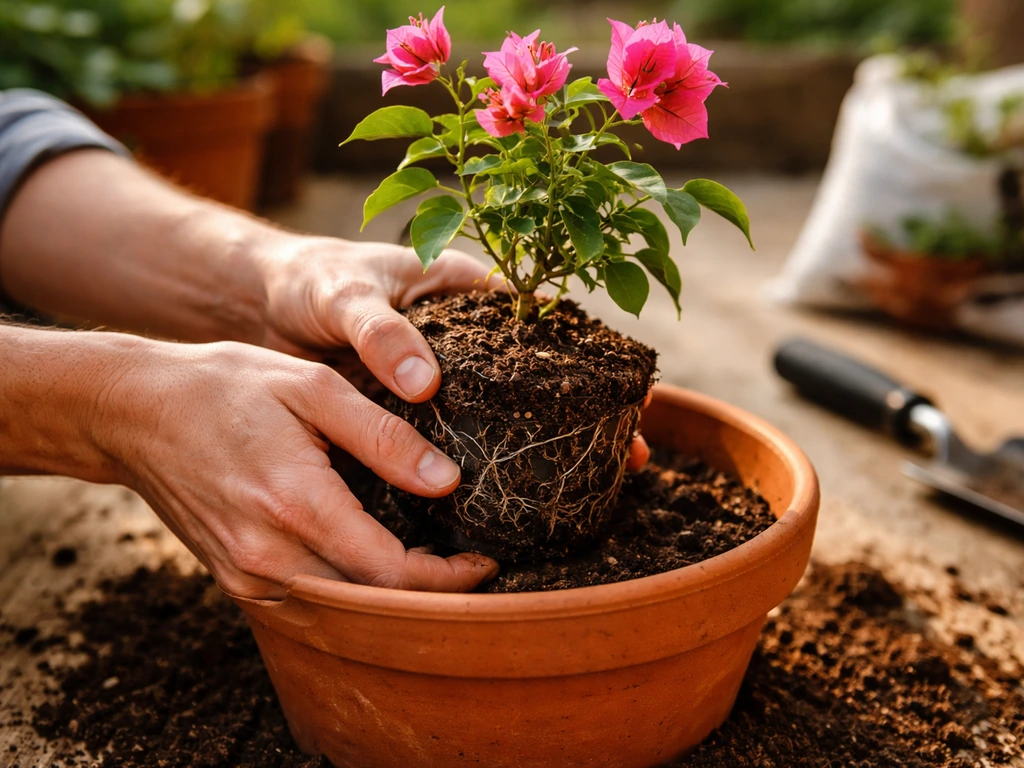
Whether you're moving seedlings to bigger pots or bringing home a nursery plant, the transition period matters. Bougainvillea is notoriously sensitive to root disturbance, which is why you'll often see it drop its bracts within days of being repotted or even brought home from the store. This is normal. The plant is stressed, not dying. Give it a week or two in a consistent spot with full sun, back off on watering slightly, and it usually settles in and starts pushing new growth.
When transplanting from a nursery pot, disturb the root ball as little as possible. Slide the plant out, place it in the new pot at the same depth it was growing, and backfill with your well-draining mix. Water thoroughly once to settle the soil, then hold back until the top inch or so feels dry before watering again. For the first two to three weeks, your main job is just keeping the plant in full sun and not overwatering. Don't fertilize immediately after transplanting; give roots two to three weeks to settle before introducing fertilizer.
For streptocarpus, transplanting is gentler. A 4 to 5 inch pot works well for young plants, moving up to a quart-sized or 6 inch pot as they establish. They prefer to stay in moderately sized containers rather than large ones, which is similar to bougainvillea in that way. Keep them out of direct sun during the transition and water only once the top of the soil feels almost dry.
Watering and feeding for steady blooms
Here's where a lot of people go wrong with bougainvillea: they water too much. Bougainvillea actually benefits from a slight dry-down between waterings. The stress of mild drought signals the plant to flower rather than push foliage. Water deeply when the top 1 to 2 inches of soil are dry, then let it dry again before the next watering. Container plants dry out faster and will need watering more frequently than in-ground plants, sometimes every few days in peak summer heat.
For fertilizing, bougainvillea needs lower-nitrogen formulas to encourage bracts over leaves. A bloom-boosting fertilizer with an NPK ratio like 5-10-10 or 10-10-10 is a better choice than a high-nitrogen all-purpose feed, which pushes green growth at the expense of color. For container plants, feed every 2 to 3 weeks during the active growing season. In-ground plants need it less often, roughly every 4 to 6 weeks. Back off feeding in fall and winter if you're growing in a zone where temperatures drop.
Streptocarpus has the opposite watering philosophy in one sense: you still let the soil approach dryness between waterings, but these plants are far more sensitive to overwatering than bougainvillea. Water only when the soil is almost dry to the touch. For feeding, streptocarpus are light feeders. A diluted balanced fertilizer at roughly half the recommended dose, about once a month, is plenty. Heavy feeding causes lush leaves and fewer flowers, and high salt buildup from over-fertilizing can damage the roots.
Pruning, training, and supporting your blooms
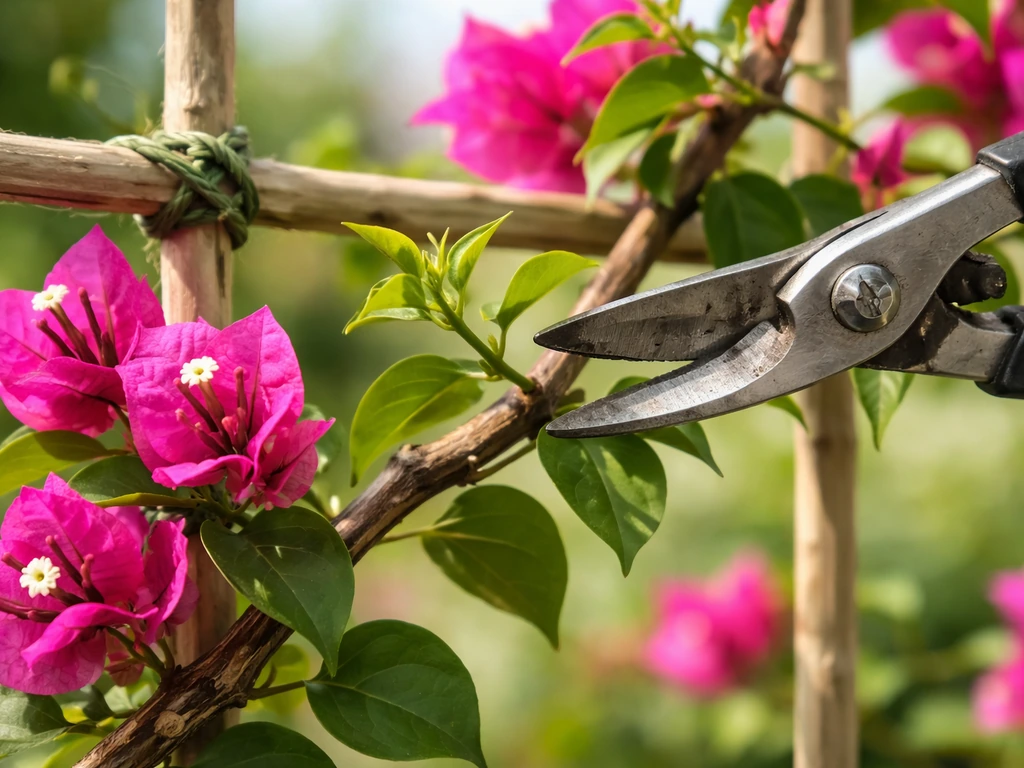
Bougainvillea blooms on new growth, and this is the most important thing to understand about pruning it. Old wood that isn't pushing new shoots won't produce bracts. So the way you get continuous flowering is to prune after each bloom flush ends, which encourages fresh shoots that will produce the next wave of bracts. For light maintenance pruning after a flush, trim spent bract clusters back and tip-prune the branch ends to encourage branching. This can be done every 6 to 8 weeks as each flush completes.
For a bigger structural prune, do it in late winter or very early spring before new growth begins. This hard prune resets the plant's shape, removes crossing or dead branches, and sets up a productive framework for the season. Be aware that a hard prune means you'll wait longer for the first bloom flush because the plant needs time to push new growth first. So don't prune hard and then wonder why it isn't flowering in April. Give it 8 to 12 weeks after a hard prune before expecting bracts.
If you want to train bougainvillea as a vine on a trellis, fence, or pergola, start tying new growth to your support early and gently. Use soft garden ties or cloth strips and avoid constricting the stems. In containers, a simple bamboo trellis or circular support works well. For a more compact, shrubby habit, pinch tips regularly rather than letting long canes extend. Always wear gloves when pruning bougainvillea: it has thorns that are easy to overlook until they're in your hand.
Troubleshooting common problems
No flowers or very few bracts
This is almost always a light problem, a nitrogen problem, or a pot-size problem. First, check sun exposure: is the plant getting at least 5 to 6 hours of direct sun? Bougainvillea in partial shade may grow fine but won't flower well. Second, check your fertilizer: if you've been using a high-nitrogen feed, switch to a lower-nitrogen bloom formula. Third, if the plant is in a very large pot with a lot of loose soil, the roots may be happily spreading rather than feeling any productive stress. Consider whether downsizing the pot makes sense.
Yellow leaves
Yellowing leaves on bougainvillea usually point to overwatering, poor drainage, or iron deficiency (chlorosis). If the yellowing starts with leaves closest to the soil or at the base of the plant and the soil feels consistently damp, ease up on watering and check that your pot has good drainage holes. If the newest leaves are yellowing while older leaves stay green, that's more consistent with iron chlorosis, which you can address with a chelated iron supplement or by slightly acidifying the soil.
Wilting despite watering
Wilting in a well-watered plant usually means root rot from prolonged soggy conditions, or in some cases, root restriction that's gone too far. Check the root ball: if roots are brown and mushy rather than white and firm, root rot is the culprit. Repot into fresh well-draining mix, trim any clearly rotted roots, and let the soil dry out more between waterings going forward. In very hot conditions, bougainvillea can also wilt temporarily in midday heat and perk back up by evening, which is less concerning.
Pests and disease
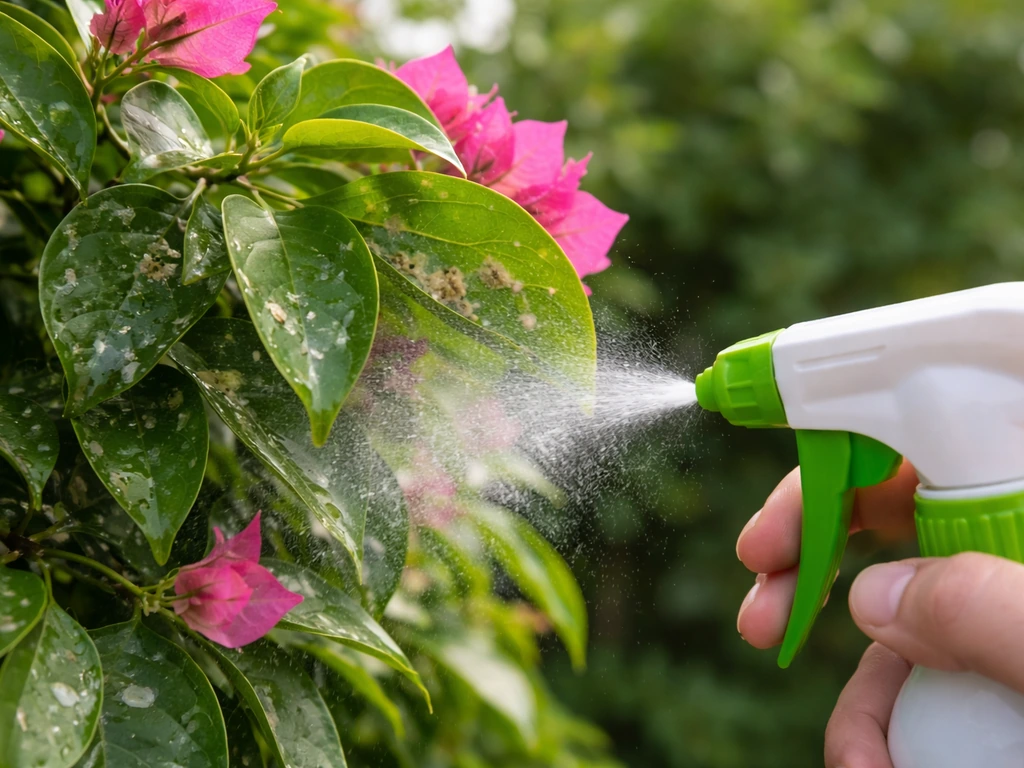
The most common pests on bougainvillea are aphids, caterpillars (especially bougainvillea loopers), and mealybugs. Aphids and mealybugs can be knocked off with a strong spray of water or treated with insecticidal soap. Bougainvillea loopers are caterpillars that notch the leaf edges and can be handpicked or treated with Bt (Bacillus thuringiensis). Fungal issues like leaf spot or powdery mildew are less common but can appear in humid, low-airflow conditions. Improve air circulation and avoid wetting the foliage when watering.
Bract drop after moving or repotting
This is one of the most alarming things that happens to new bougainvillea growers and one of the most normal. Any significant stress, including moving the pot, repotting, a temperature change, or even a change in watering routine, can trigger bract drop almost overnight. The plant is not dying. Park it in the sunniest spot available, water carefully, and wait. New growth and bracts will follow within a few weeks once it stabilizes.
Your simple next steps and care checklist
Where you start depends on your current situation. If you're starting from seed, begin indoors 10 to 12 weeks before your last frost date with a heat mat and good light. If you're buying a nursery plant, aim to bring it home after nighttime temps stay reliably above 50°F. Either way, your first season goal is simple: get the plant established in full sun with good drainage, feed it a bloom-focused fertilizer, prune after the first flush ends, and you'll likely see your second flush within 8 to 10 weeks.
If you enjoy the general category of easy-to-grow flowering plants for pots and indoor spaces, paperwhites are another popular option in the same family of 'accessible to beginners' plants, though they're grown from bulbs rather than seeds or cuttings and have very different care requirements. If you want a winter bloom that fits the same beginner-friendly goal, learn how to grow paperwhites for Christmas and keep them looking their best through the season. If you’re set on paperwhites, see the specific steps for how to grow paperwhites in rocks. If you want a simple winter project, check out how to grow paperwhites in a jar for step-by-step bulb setup and care. If you're curious about how to grow paperwhites specifically, focus on forcing them from bulbs, providing bright light, and keeping the watering just right so they don't rot. They're worth exploring if you want something that blooms with even less fuss in winter.
- Place in full sun (minimum 5 to 6 hours of direct sun daily, more is better)
- Use fast-draining potting mix with added perlite; never let roots sit in soggy soil
- Water deeply, then wait until the top 1 to 2 inches are dry before watering again
- Feed every 2 to 3 weeks (containers) or 4 to 6 weeks (in-ground) with a low-nitrogen bloom fertilizer
- Keep nighttime temperatures above 50°F; bring containers indoors before the first frost
- Tip-prune or lightly trim after each bloom flush to trigger the next wave of new growth
- Do any hard structural pruning in late winter or early spring before new growth begins
- Keep the pot slightly snug rather than oversized to encourage flowering over foliage
- Watch for bract drop after moving or repotting; it's normal and will resolve on its own
- Check for aphids, mealybugs, and loopers regularly and treat early before populations build
The biggest mindset shift for first-time bougainvillea growers is accepting that a little stress, slightly dry soil, a snug pot, a lot of sun, is what makes this plant perform. It's not a coddled houseplant; it's a tough tropical that rewards a confident hand. Get the basics dialed in and you'll be rewarded with those unmistakable papery bract clusters all season long.
FAQ
Can I grow a paper flower plant indoors year-round?
Not reliably. Bougainvillea generally needs full sun to form strong bract displays, and “paper flower” bract color fades when light is too weak. If you only have 3 to 5 hours of direct sun, plan to prioritize a brighter spot (or a reflective wall) rather than expecting the same bloom output.
Will bougainvillea still bloom if I use a grow light?
Yes, but only if you give it strong light equivalent to outdoor sun. If you keep it in a sunny window, expect reduced or irregular bracts because indoor light intensity is usually lower. During winter, keep it cooler only if you can still maintain bright light, and avoid heavy watering when growth slows.
What pruning should I do right after the bracts drop?
Start pruning as soon as a flush finishes, trim spent bract clusters back, then tip-prune to encourage branching. Avoid a hard prune during the season if you’re trying to maximize bracts in the next 6 to 8 weeks.
My paper flower plant lost all its bracts after I brought it home, is it dying?
Check whether you are mistaking bract drop for plant failure. If the bracts fell soon after you bought the plant or repotted it, it is usually stress cycling, not dieback. Give it stable full sun and slightly drier watering for 1 to 2 weeks before you change fertilizer or soil.
How do I get more bracts when my bougainvillea keeps producing leaves?
If bracts are few or nonexistent, the most common fix is light and nitrogen. First confirm it is getting at least 5 to 6 hours of direct sun daily, then switch to a lower-nitrogen bloom formula. Also verify pot size, if the pot is much larger than the root mass, downsize gradually (one size at a time).
How often should I water a bougainvillea in a pot?
Watering should be “deep then dry,” and how often depends on container size and heat. A practical rule is to water thoroughly only after the top 1 to 2 inches feel dry, then stop again until the next dry-down. In peak summer, containers may need watering every few days, while shaded or cooler conditions can stretch it longer.
When can I fertilize after repotting or buying a nursery plant?
Yes, but it is easy to overdo with bougainvillea. Use the low-nitrogen bloom type you already rely on, and skip fertilizer for about 2 to 3 weeks after repotting so damaged or disturbed roots can recover. Once established, feed every 2 to 3 weeks in active growth, then reduce or pause as temperatures drop.
Will repotting my paper flower plant hurt it, and when should I do it?
Repotting can trigger bract drop because the plant hates root disturbance. If you must move it, do it around the start of active growth, handle the root ball gently with minimal teasing, and keep it in full sun afterward. Expect some bract loss, and focus on proper drainage and careful watering rather than trying to “push blooms” immediately.
Why are the leaves turning yellow, and how can I tell the cause?
Yellowing patterns matter. Yellow leaves near the soil with damp soil often indicate overwatering or poor drainage, while yellowing in newer growth with veins still visible can point to iron chlorosis. Address drainage first, then consider chelated iron or slight soil acidification if the pattern fits.
What should I do if I think my bougainvillea has root rot?
Trim clearly mushy, brown roots, then repot into fresh fast-draining mix. After repotting, do not keep it constantly wet; let it dry more between waterings and ensure the pot drains freely. If the plant was severely rot-prone, consider a slightly smaller pot so the mix does not stay saturated too long.
What is the best way to treat pests on bougainvillea?
Use the right product for the right pest timing. For aphids and mealybugs, a strong water spray or insecticidal soap works well, but check leaf undersides and repeat if needed. For bougainvillea loopers, Bt can help when caterpillars are active, and handpicking is effective for small infestations.
If I prune hard in late winter, when should I expect my first blooms?
A hard prune usually delays the first bract flush. Plan on waiting about 8 to 12 weeks after a major structural prune before expecting meaningful bracts, and expect a longer “establishment window” the first season you try it.
Is it okay if my bougainvillea becomes rootbound in its container?
Yes, bougainvillea can tolerate root restriction, but “too snug” is not the same as suffocating the roots. Make sure the pot has drainage holes, use airy fast-draining mix, and only move up one container size at a time. If roots are circling tightly for long periods, it is time for a careful repot, still avoiding a huge jump in pot size.
My bougainvillea wilts in the afternoon. Is that always a watering issue?
If it wilts during midday but perks up by evening, that can be normal heat stress rather than disease. If it stays wilted into the night or the soil is wet and smells sour, treat it as a root problem and check drainage and roots before increasing watering.
How can I train bougainvillea on a trellis without damaging it?
To train it successfully, start tying early with soft ties so you do not constrict stems, and guide new growth onto the support instead of trying to force old woody stems. For containers, a simple trellis or circular support helps you maintain an open shape that gets better sun and airflow.
Next Articles
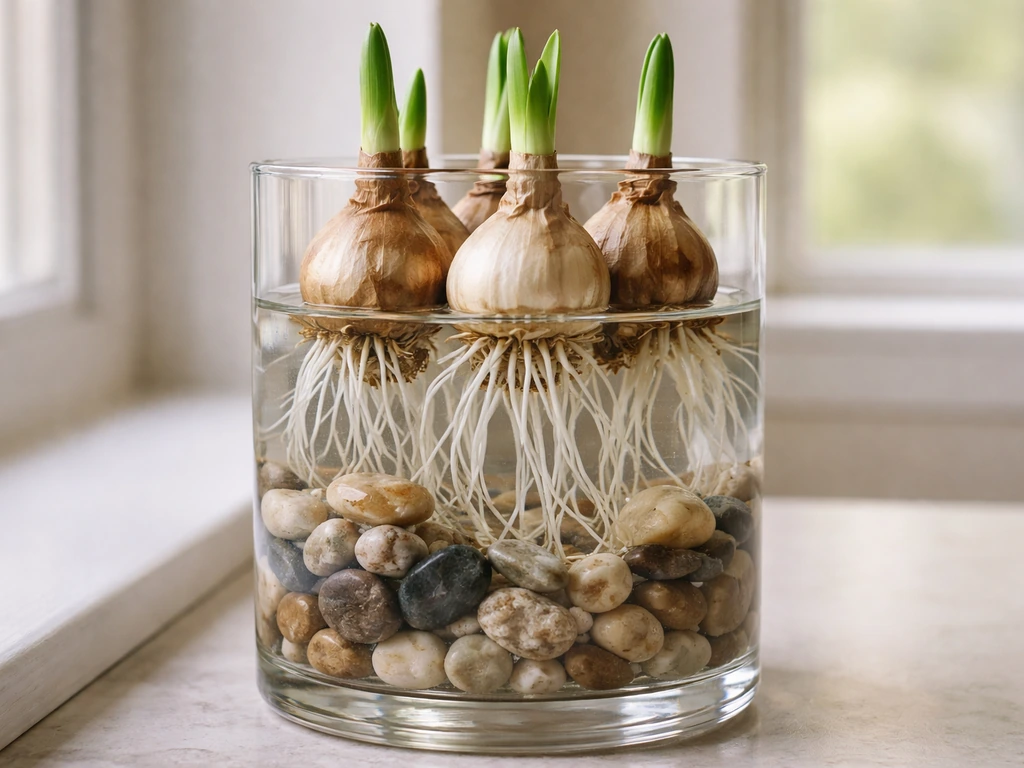
How to Grow Paperwhites in Rocks: Step-by-Step Guide
Step-by-step how to grow paperwhites in rocks indoors: rock choice, bulb setup, water level, light care, and post-bloom
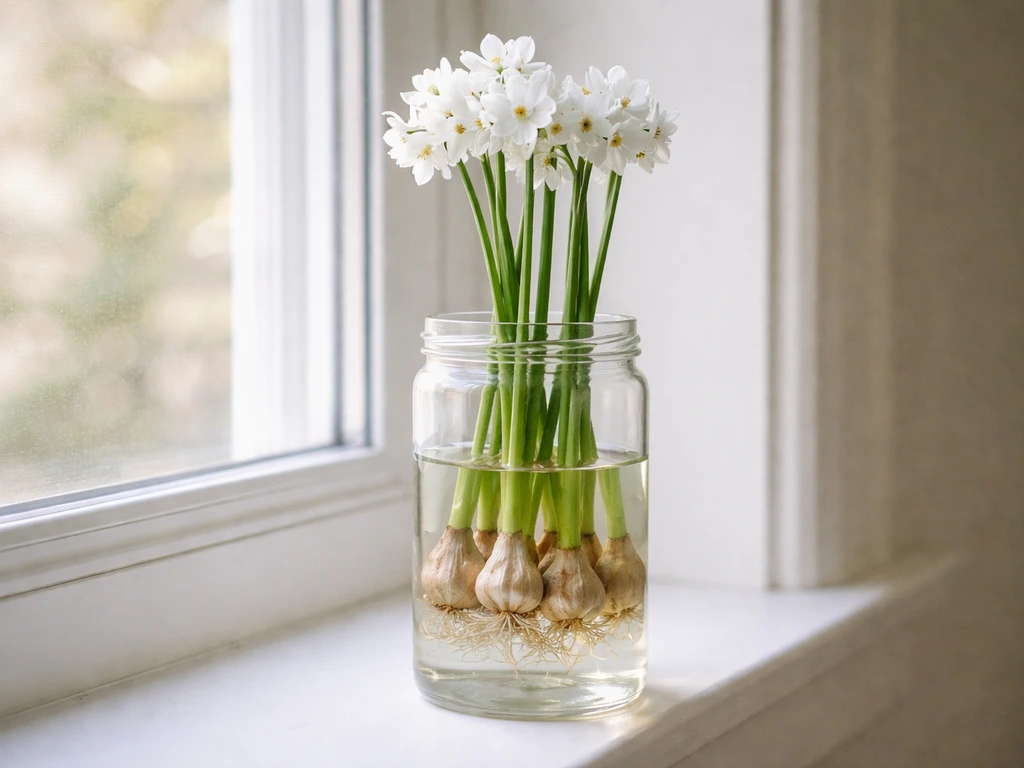
How to Grow Paperwhites in a Jar: Step-by-Step Guide
Step-by-step how to grow paperwhites in a jar with water level, light, and timing to get fast, straight blooms plus fixe
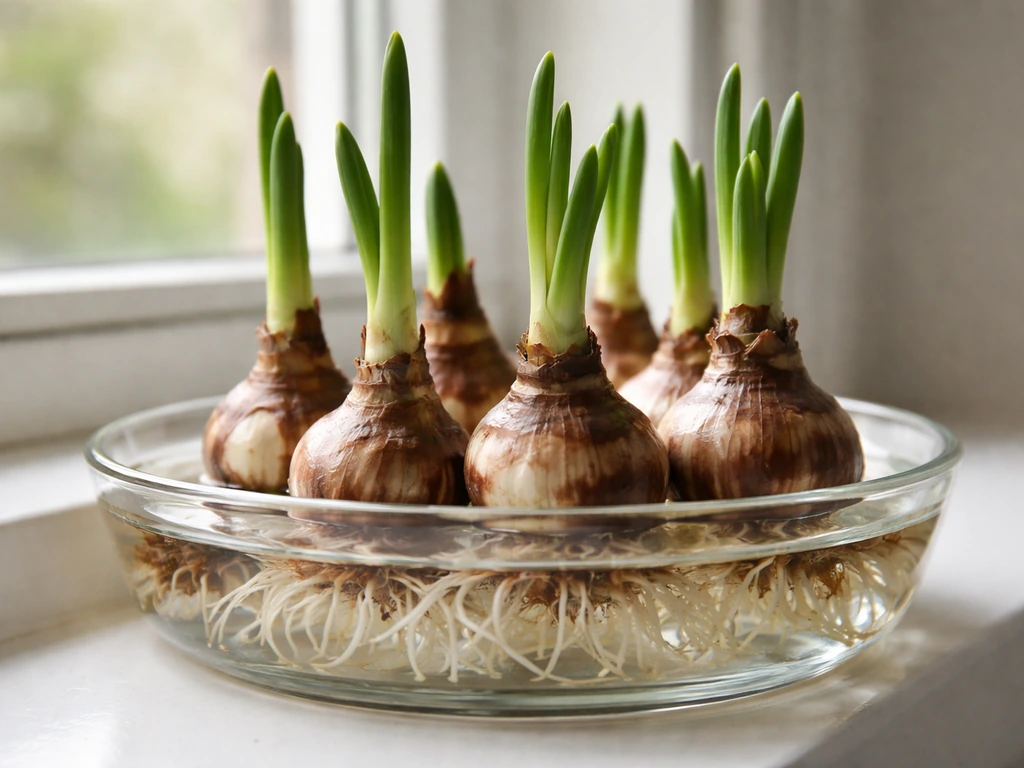
How to Grow Paperwhites Indoors: Step by Step Guide
Step-by-step indoor guide to grow paperwhites: bulb choice, planting in water or soil, care, timing, and flop prevention