The easiest edible flowers to grow at home are nasturtiums, calendula, borage, pansies and violas, signet marigolds, chives, and chamomile. Every one of them grows reliably from seed, handles beginner mistakes with grace, and produces blooms you can actually eat. If you only plant one this season, start with nasturtiums or calendula: both go from seed to flower in roughly six to eight weeks and are nearly impossible to kill.
Edible Flowers You Can Grow: Beginner Guide to Bloom
James Holloway
17 May 2026
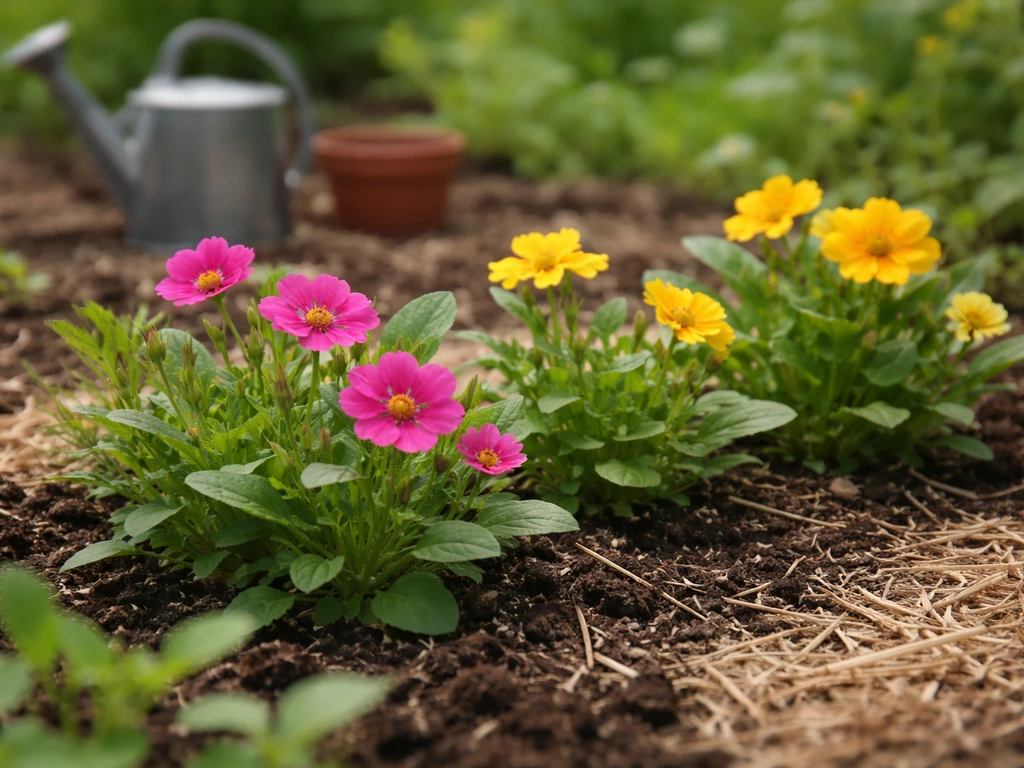
The best edible flowers for a home garden
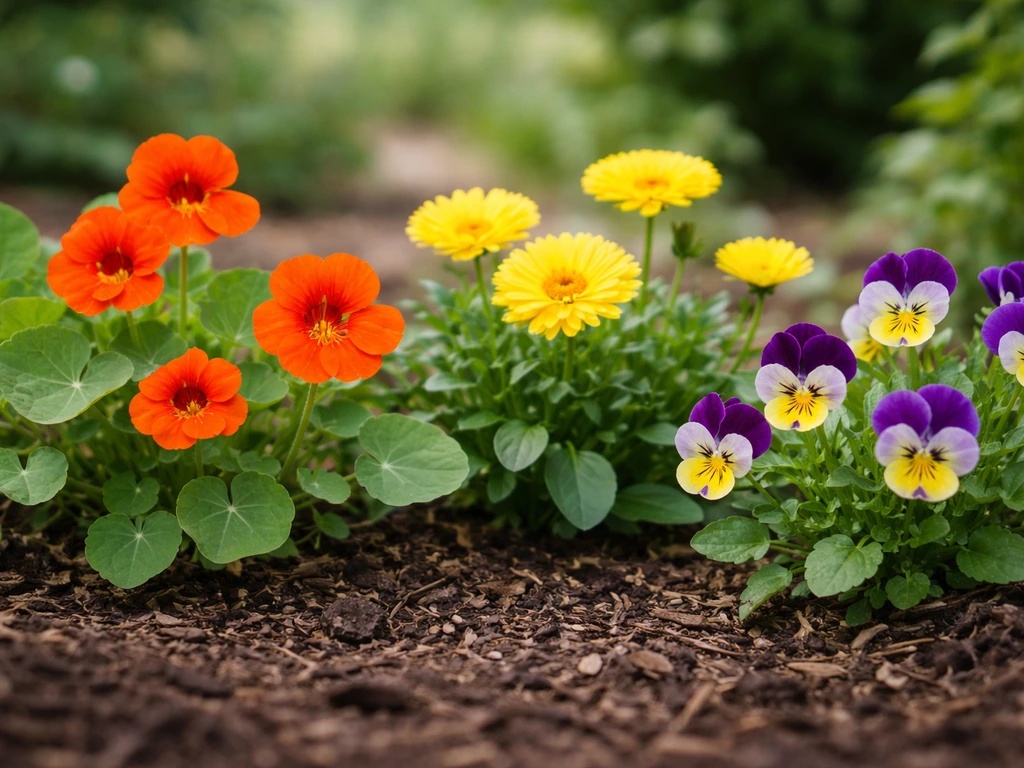
Before diving into how to grow them, here is a quick rundown of the seven varieties worth your time. These are not obscure choices that require specialty supplies. You can find seeds for all of them at any decent garden center or online seed retailer right now.
| Flower | Flavor | Sun Needed | Cool or Warm Season | Good for Containers? |
|---|---|---|---|---|
| Nasturtium | Peppery, like watercress | Full sun | Cool to warm | Yes |
| Calendula (pot marigold) | Mildly bitter, tangy | Full sun | Cool season | Yes (compact) |
| Borage | Cucumber-fresh | Full sun | Cool to mild warm | Yes (in large pots) |
| Pansy / Viola | Mildly sweet, grassy | Full sun to part shade | Cool season | Yes |
| Signet marigold | Citrusy, slightly spicy | Full sun | Warm season | Yes |
| Chives | Mild onion | Full sun to part shade | Cool season | Yes |
| Chamomile | Apple-like, floral | Full sun | Cool season | Yes |
Nasturtiums have a peppery kick that makes them genuinely useful in salads and on savory dishes, not just decorative. Borage flowers taste unmistakably like cucumber and look stunning floating in drinks. Chive blossoms carry a mild onion flavor and are one of the easiest wins for any kitchen gardener who already has chives growing. Signet marigolds (Tagetes tenuifolia, not the standard ornamental type) are the edible marigold to grow: the single-petaled blooms have a citrusy flavor that regular marigolds do not.
Pick the right flowers for your space
Most edible flowers want full sun, meaning at least six hours of direct sunlight a day. Wildflower gardening in Florida follows similar basics, but choosing species suited to local conditions will make your results much more reliable how to grow wildflowers in florida. Nasturtiums, calendula, borage, chamomile, and marigolds all perform best with full sun. Pansies and chives are more forgiving and will do fine in part shade, which makes them useful for spots that only get three to four hours of sun. A patio corner or a north-facing balcony can still grow pansies and chives successfully, though too much shade will make plants spindly and reduce flower production noticeably.
For soil, the consistent advice across every variety here is the same: moist, well-drained soil. Soggy roots cause problems faster than almost any other mistake. If your garden beds have heavy clay, mix in compost before planting. If you are growing in containers, use a quality potting mix (not garden soil from the ground, which compacts badly in pots). A slightly acidic to neutral pH, roughly 6.0 to 7.0, suits all of these flowers well.
Containers vs. garden beds
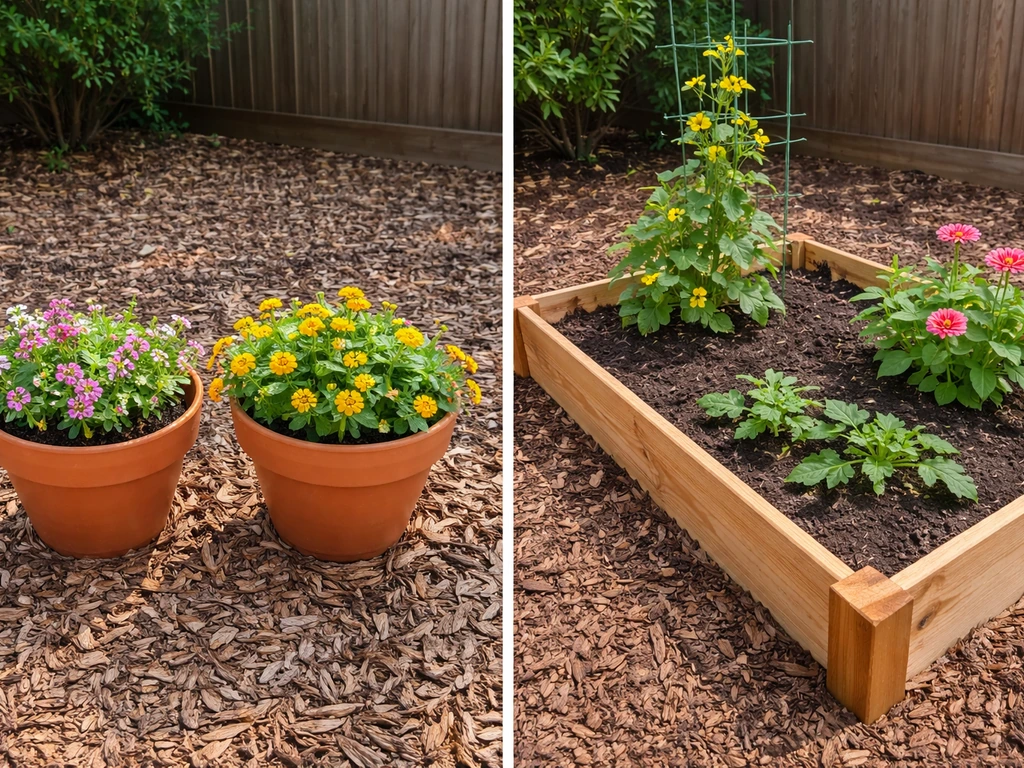
The good news is that every flower on this list works in containers, so a yard is not a requirement. Calendula stays compact, reaching only about 12 inches wide and tall, making it ideal for a medium pot on a sunny windowsill or balcony. Borage gets larger and does best in a 12-inch or bigger container. Nasturtiums are enthusiastic growers but trailing varieties can tumble beautifully over the edges of hanging baskets or window boxes. If you have actual garden beds, you get more flexibility with spacing, but pots give you full control over soil quality and drainage, which is honestly a real advantage when you are just starting out.
Planting now: when and how to sow from seed
It is mid-May right now, which means the window is perfect for warm-season flowers and still workable for a few cool-season types in many regions. Here is how to think about timing and seed starting for each flower. Texas wildflowers can be grown from seed too, and the key is matching the planting time and soil conditions to the species you choose.
What to direct sow right now (mid-May)
- Nasturtiums: Direct sow now in any frost-free area. They hate root disturbance, so sow them where they will grow. Gently rub the seeds with a nail file or soak them overnight before planting to help germination through the hard seed coat. Press seeds about half an inch deep and expect germination in 7 to 14 days.
- Borage: Direct sow after your last frost date has passed. Borage can also be started indoors and transplanted, but it does fine sown straight into the ground or a large pot. It germinates quickly, usually within a week or two.
- Signet marigolds: Start seeds now indoors if you are in a shorter-season area, or direct sow outdoors once nights stay above 50°F. They grow fast.
- Chamomile: Press seeds gently onto the surface of moist soil and do not cover them: chamomile needs light to germinate. Direct sow in spring once the soil can be worked. Expect germination in 7 to 14 days.
Cool-season flowers: still possible but act fast
- Calendula: Ideally direct-sown in early spring once soil hits about 60°F. In mid-May it is still plantable in cooler climates (Pacific Northwest, upper Midwest, higher elevations), but if summer heat arrives early where you live, save calendula for a fall planting instead.
- Pansies and violas: These prefer cool conditions, ideally 40°F nights and 60°F days. In zone 6 and warmer, mid-May is already getting warm for them. Plant now in a spot that gets afternoon shade to extend their bloom season, or save them for fall.
- Chives: Start from seed anytime, though chive seeds are slow. If you want blooms this season faster, buy a starter plant. Chives are perennials, so once established they come back every year.
Basic spacing guidelines
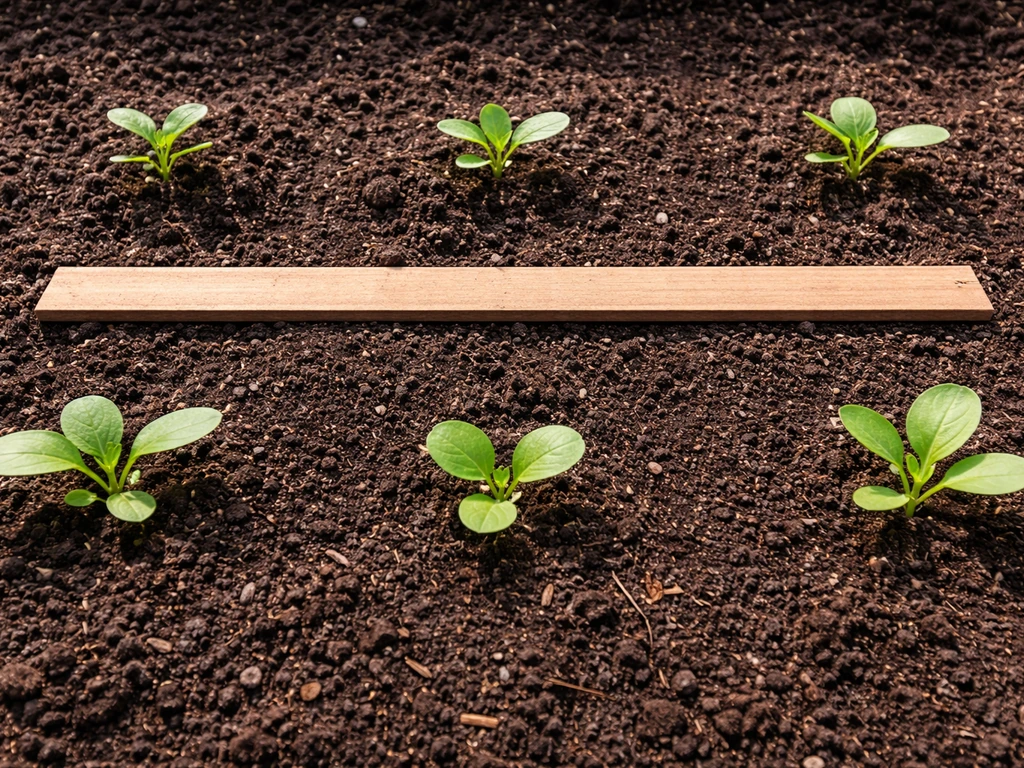
Do not crowd your plants. Calendula wants about 16 inches between plants. Nasturtiums are similar. Borage can spread 12 to 18 inches wide and grow 2 to 3 feet tall, so give it room. Chives can be grown in dense clumps in a pot. Marigolds vary by variety, but aim for 8 to 12 inches for signet types. When in doubt, err on the side of more space: good airflow reduces disease and helps plants put energy into flowers rather than competing for resources.
Care from planting through bloom
Watering
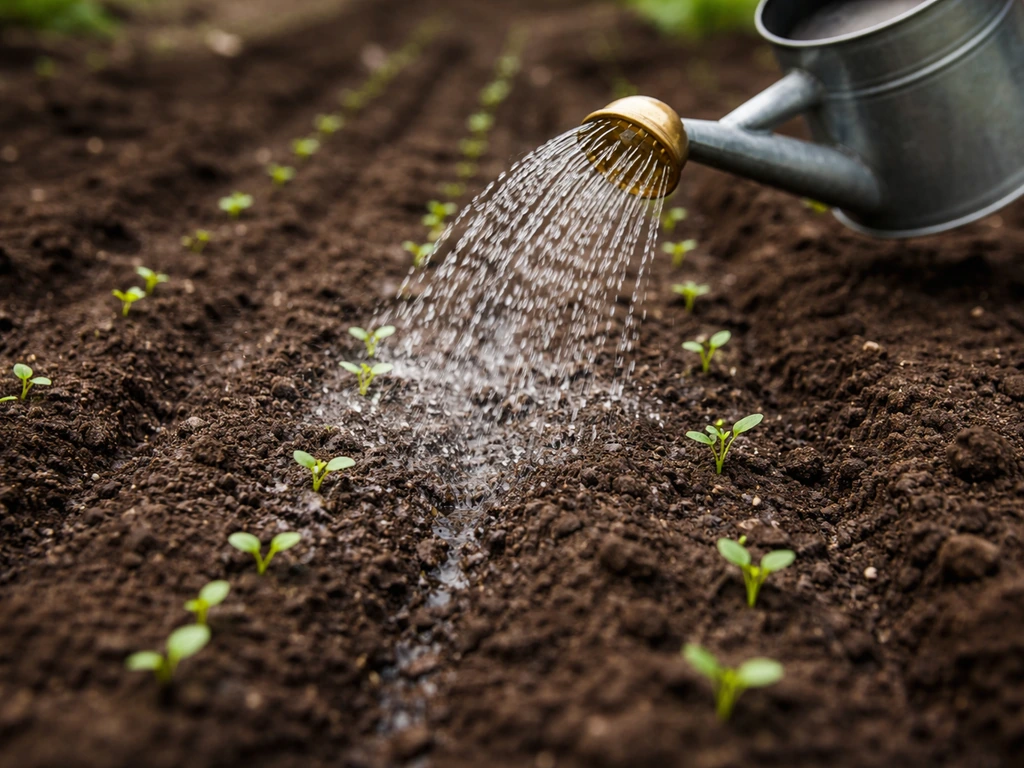
Keep the soil consistently moist but never waterlogged, especially while seeds are germinating and seedlings are getting established. Once plants are growing steadily, most of these flowers are fairly drought-tolerant. Marigolds, in particular, handle dry spells better than overly wet conditions: overwatering them leads to root problems faster than underwatering. Borage and nasturtiums are similarly unfussy. Pansies and calendula like even moisture throughout the season. For containers, check the soil daily in warm weather because pots dry out much faster than ground beds.
Feeding
Less fertilizer is genuinely better for most edible flowers. Marigolds produce fewer blooms when overfed with nitrogen. Nasturtiums flower most when the soil is lean: a rich soil pushes all that energy into leaves instead of blooms. For calendula and borage in decent garden soil, you often do not need to fertilize at all through the season. If you are growing in containers, a light balanced fertilizer once a month is reasonable since nutrients leach out with watering. Chives appreciate a light feed in spring to get going.
Thinning seedlings
If you direct-sow and get enthusiastic germination (which happens with nasturtiums and chamomile especially), thin seedlings early rather than letting them crowd each other. It feels wasteful to pull healthy seedlings, but the ones you leave will be dramatically healthier and more productive. Snip extras at the soil line with scissors rather than pulling, which disturbs the roots of neighboring seedlings.
Common pest issues
- Aphids: Nasturtiums and calendula attract aphids like magnets, which is actually sometimes useful because they lure aphids away from vegetables. Blast aphids off with a strong stream of water or use insecticidal soap. Avoid any chemical pesticides on plants you plan to eat.
- Slugs and snails: Pansies and borage seedlings are vulnerable to slug damage, especially in cool, moist spring weather. Diatomaceous earth around the base of plants or slug traps help.
- Powdery mildew: Poor airflow causes this on calendula and chives. Good spacing and avoiding overhead watering in the evening usually prevents it.
Harvesting edible flowers safely
The single most important rule: only eat flowers you have grown yourself from seed, or from a source you know is pesticide-free. Do not harvest flowers from nursery transplants or florist arrangements and eat them. Commercial plants are routinely treated with pesticides that are not safe to consume. This is non-negotiable.
When to pick
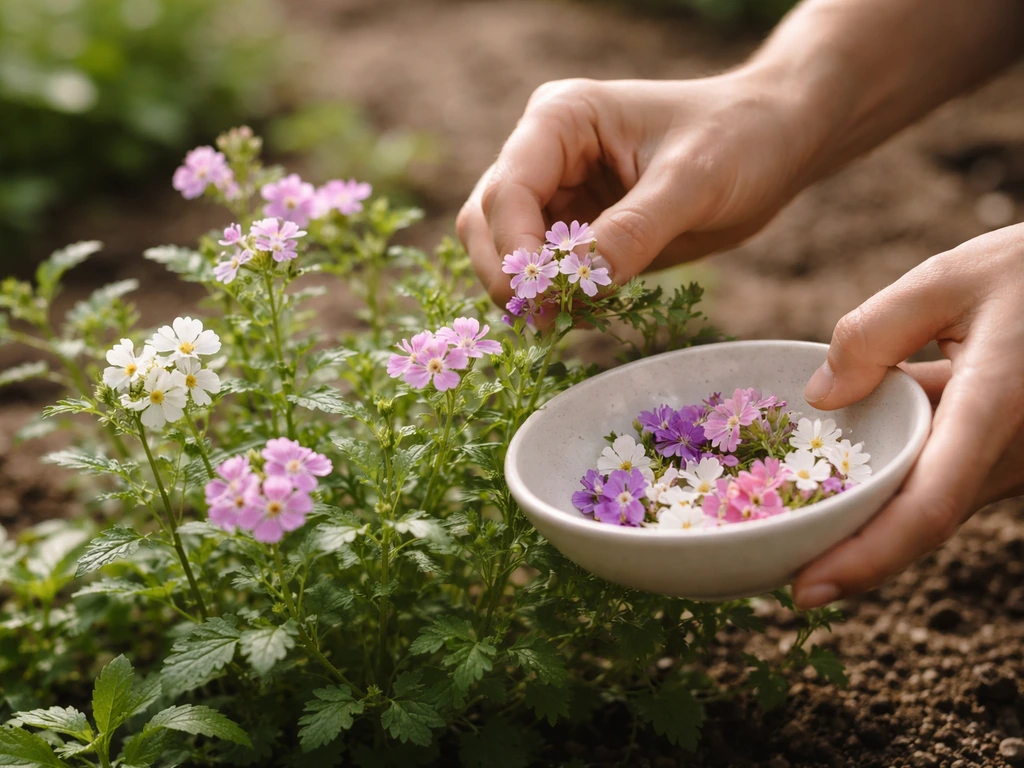
Harvest flowers at peak bloom, when they are fully open but before they start to fade or go to seed. The best time of day to pick is in the morning, after the dew has dried but before the midday heat sets in. Flowers harvested in the morning hold their shape, flavor, and color longer. Choose blooms that look healthy and are free of insects, damage, or disease. Choose blooms that are free of insects and disease and pick them at peak bloom for best safety and quality free of insects and disease and picked at peak bloom. If a flower has aphids on it or looks off, leave it.
How to store harvested flowers
Edible flowers are delicate and really are best used the same day you pick them. If you need to store them briefly, lay them in a single layer on a damp paper towel, place them in a sealed container, and refrigerate for up to two days. Do not wash them until right before use, as moisture accelerates wilting. For some flowers like chamomile, drying is a great option: spread them on a screen in a warm, dry, airy spot for a week and store dried flowers in a jar for teas.
A word on introducing new flowers to your diet
If you have never eaten a particular edible flower before, start with a small amount and see how your body responds. Some people have sensitivities, particularly to flowers in the Asteraceae family like calendula and chamomile, especially if they have ragweed allergies. Always confirm you have the correct plant: growing from labeled seed packets is the safest way to be sure of what you have.
Using your harvest: simple ideas to get started
You do not need to be a chef to use edible flowers well. Here are the most approachable ways to put your harvest to work: If you want a quick step-by-step, follow the sections in this guide on choosing varieties, sowing from seed, and caring for your plants through bloom how to grow edible flowers.
- Salads: Scatter nasturtium, pansy, or borage flowers over a green salad just before serving. The peppery nasturtiums and cucumber-fresh borage flowers add real flavor, not just color.
- Drinks: Drop a few borage flowers into lemonade, sparkling water, or a summer cocktail. Freeze them into ice cubes for a striking effect that also keeps them fresh longer.
- Herb butter: Fold fresh chive blossoms (pull the individual florets apart) into softened butter with a little salt. Spread on bread or melt over vegetables.
- Cheese and dips: Press pansy or calendula petals onto the outside of a fresh goat cheese log. It looks beautiful and tastes great.
- Chamomile tea: Steep fresh or dried chamomile flowers in hot water for five minutes for a calming herbal tea from your own garden.
- Garnish anything: Marigold and calendula petals pulled apart add color and a mild flavor to scrambled eggs, pasta dishes, rice, or soups. Think of them like a fresh herbal garnish.
Once you have edible flowers growing, you will find yourself looking for excuses to use them. The harvest cycle for most of these plants is generous: the more you pick, the more they bloom. Deadhead regularly (remove spent flowers before they set seed) and you will keep calendula, nasturtiums, and marigolds flowering for weeks or even months. Everlasting flowers have a different growth and drying approach, but you can still enjoy long-lasting blooms with the right timing and care.
That ongoing harvest is one of the most rewarding parts of growing edible flowers, and once you have the basics down, it opens the door to exploring edible perennials and other culinary plants that can anchor your garden for years to come. If you want longer-lasting color, learn how to grow perennial wildflowers by choosing the right site, sowing or transplanting at the proper time, and planning for a little establishment time.
If you want to add more long-lasting blooms, learn how to grow perennial wallflowers and plan for reliable flowering year after year. If you want blooms for the long haul, everlasting flowers are a great next step to add to your garden plan how to grow everlasting flowers. If you want to move beyond edible blooms and into color you can enjoy all season, learn how to grow Texas wildflowers next.
Edible perennials follow much the same gardening principles, but they are chosen for long-term returns, so you can plan plantings that keep producing year after year exploring edible perennials. If you want more than flowers, learn how to grow edible perennials by choosing varieties suited to your soil and light exploring edible perennials.
FAQ
Can I harvest edible flowers from plants that were started as store-bought transplants or grown in a shared garden?
Yes, but only if you know the specific cultivar is edible and pesticide-free. If you want to harvest petals, use them the day you pick, and leave the rest of the plant alone so it can regrow. Also, avoid collecting flowers from plants near treated lawns or driveways, even if they look like your edible variety.
Do I need to cut the whole plant when harvesting, or can I just pick individual blooms?
For the flowers on this list, cutting individual blooms is usually better than pulling whole plants. Pinch or snip spent flowers (deadhead) regularly, and you will get more branching and future blooms. For chives, take blossoms rather than cutting all the leaves, since the plant needs foliage to rebuild.
What’s the safest way to test a new edible flower if I have allergies or sensitivities?
You can, but don’t start by eating every flower in a mixed salad. Try one flower type at a time, in a small portion, and wait to see how you feel. If you have ragweed allergies, be extra cautious with calendula and chamomile, and keep in mind that mouth irritation can happen even when the plant is edible.
What should I do if my seedlings or plants start getting mildew or collapsing after sprouting?
Yes. Thin seedlings so they have airflow, then water at the soil level. Use a “moist, not wet” approach, especially after germination, and make sure containers have drainage holes. If you notice mildew, reduce watering frequency and increase light, because heavy shade combined with wet soil often triggers disease.
How do I know if I’m fertilizing too much, and how do I fix it?
Most of these do not need strong feeding, but a simple rule helps: if plants are producing lots of leaves and few flowers, withhold fertilizer and switch to leaner conditions. Overfeeding is most common with nitrogen-rich products, which is why marigolds can fade in bloom when fertilized too aggressively.
Is it always necessary to harvest in the morning, or can I pick later in the day?
Morning picking is best for appearance and shelf life, but you can also harvest right after irrigation once leaves are dry. Avoid harvesting during wet weather or when blooms are still soaked, because excess moisture speeds wilting and can make petals soggy.
What’s the best way to clean edible flowers without ruining them?
Don’t wash harvested edible flowers until right before use, because moisture accelerates wilting. If you must remove dirt, gently rinse very briefly and spin carefully or blot dry, then use immediately. For quick cleaning, inspect and remove damaged petals first, that often prevents the need for rinsing.
Which edible flowers store best, and how long can I refrigerate them?
Chives, pansies, and violas generally hold up better than very delicate blooms. If you plan to store, keep flowers unwashed, place them in a single layer, cover loosely or use a sealed container with airflow, and refrigerate up to about two days. Anything beyond that is usually flavor and texture decline.
Can I still eat flowers if there are a few insects or minor spots on the petals?
Stop harvesting from a plant if you see heavy insect damage or disease, and don’t “eat around” problems like aphids. Pick blooms that look healthy and skip anything with visible pests or spots. If insects are an issue, use physical removal and improved airflow first, rather than relying on sprays that could leave residues.
Why are my container edible flowers flowering less than expected, even though I’m watering regularly?
Good airflow and correct spacing matter, but so does temperature. In containers, heat can cause fast drying, which stresses plants and reduces bloom. Check soil daily in hot weather, water deeply enough to moisten the root zone, and then let excess water drain completely so roots are not sitting in moisture.
Next Articles
How to Grow Edible Flowers Indoors at Home, Seed to Bloom
Step-by-step seed to bloom guide to grow edible flowers indoors in containers, with lighting, care, pests, and best vari
Floret How to Grow Ranunculus: Step-by-Step Guide
Step-by-step Floret-style ranunculus guide: corm prep, planting, watering, frost care, troubleshooting, and harvest for
How to Grow Your Own Wedding Flowers Step by Step
Step-by-step guide to grow bouquet-ready wedding flowers, from planning and sowing dates to harvesting, conditioning, an