
Yes, you can grow flowers from a bouquet, but whether it actually works depends heavily on what flowers you have, how fresh they are, and which method you try. If you’re thinking about using Miracle-Gro or Miracle-Gro products on cut flowers, skip feeding and focus on proper rooting or seed-starting instead, since flower preservatives and nutrient timing can make a big difference Miracle-Gro on cut flowers.
Can You Grow Flowers From a Bouquet? A Practical Guide

James Holloway
4 May 2026
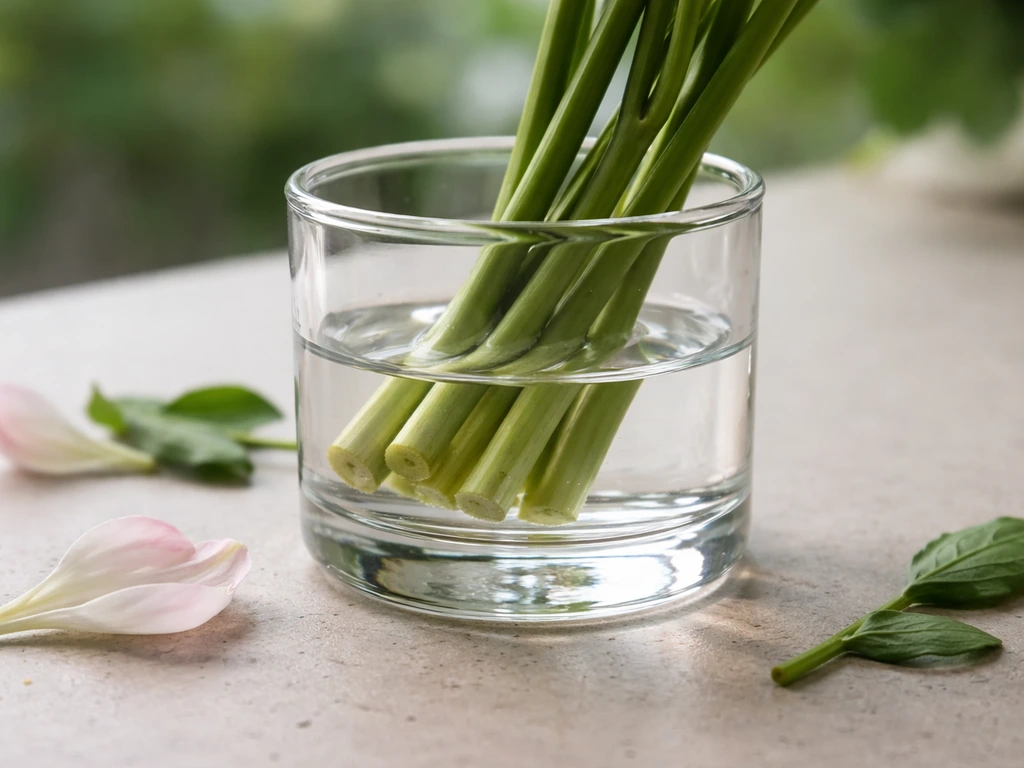
There are two real pathways: rooting stem cuttings in water or a rooting medium, or harvesting seeds from bouquet flowers that have formed seed heads. Rooting cuttings works best with roses, geraniums, and a handful of other species. Growing from seeds works best when your bouquet has mature seed heads still attached. Many bouquet flowers, especially those from florists, won't cooperate with either method, so knowing what you're working with before you start saves a lot of frustration.
Can you really grow bouquet flowers?
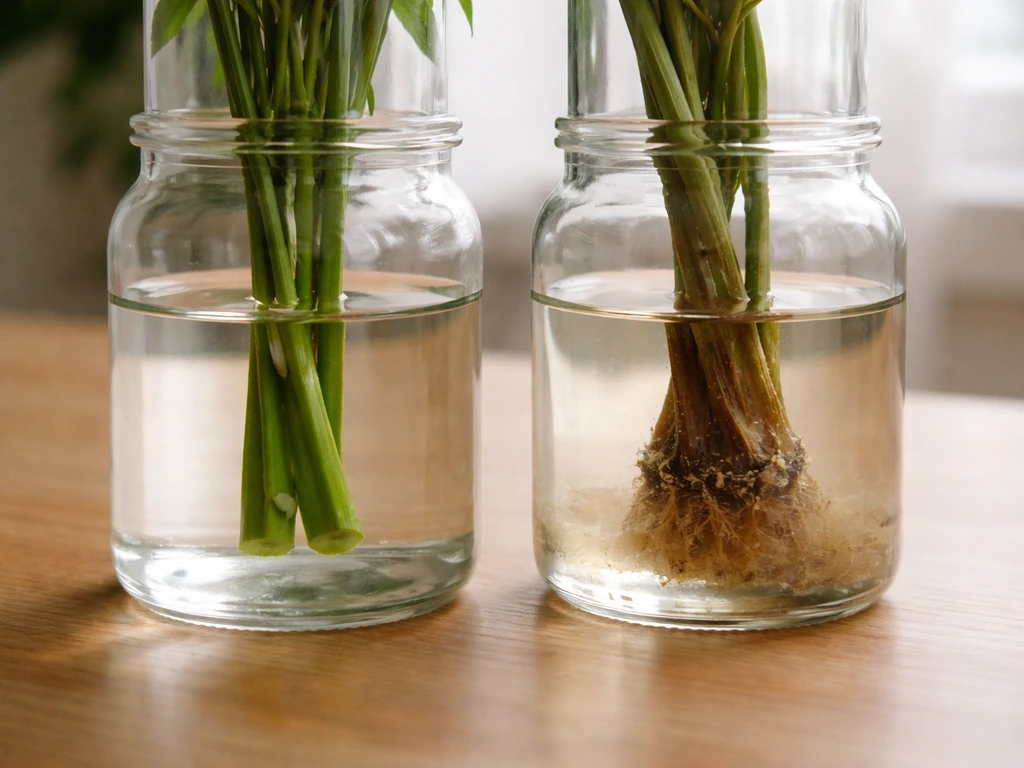
The honest answer is: sometimes, and it depends on the flower. Some stems root surprisingly well. Others just sit in water, look hopeful for a week, and then rot. The biggest limiting factors are whether the stems are still living and pliable enough to form roots, whether preservative chemicals have compromised the tissue, and whether the flower variety can actually be propagated vegetatively at all. Seed collection from a bouquet is only viable if you have flowers that have gone to seed or are close to it, which is rare in a fresh-cut bouquet but does happen with dried or late-season arrangements.
Store-bought bouquets are a bit of a mixed bag because florists routinely treat stems with commercial floral preservatives to extend vase life. Those preservatives can interfere with a cutting's ability to form roots. Gifted garden-grown bouquets, or flowers you've cut yourself, tend to be better candidates simply because you know what they've been exposed to. That said, plenty of people have rooted a rose from a grocery store bouquet, so it's worth trying if you manage your expectations.
What to check before you do anything
Before you commit to either propagation route, take a few minutes to assess what you're actually working with. Not every bouquet stem is worth the effort, and a quick check saves you from babysitting a cutting that was never going to root.
- Freshness: The stem should still be firm and green, not slimy, mushy, or brown at the base. Cuttings from stems that have been sitting in vase water for more than a week are usually a long shot.
- Preservative exposure: If the bouquet came with a packet of flower food dissolved in the vase water, the stems have been conditioned with commercial preservatives. This doesn't automatically rule out rooting, but it reduces your odds. Rinse stems thoroughly before attempting propagation.
- Stem type: Look for stems with nodes (the little bumps or joints where leaves attach). Roots form at or near nodes, so a clean, smooth stem with no nodes won't root. Woody-based stems like roses root differently than soft herbaceous ones.
- Seed heads: Check whether any flowers in the bouquet have already formed a seed head or are past peak bloom. Dry, papery seed cases or swelling at the base of a spent flower are signs seeds may be developing inside.
- Flower variety: Hybrid varieties, especially modern florist roses and tulips, are bred for looks, not propagation. Even if you root a hybrid cutting, the plant may not perform the same as the original. Open-pollinated or species-type flowers give you the most predictable results.
Option A: Rooting stem cuttings from your bouquet
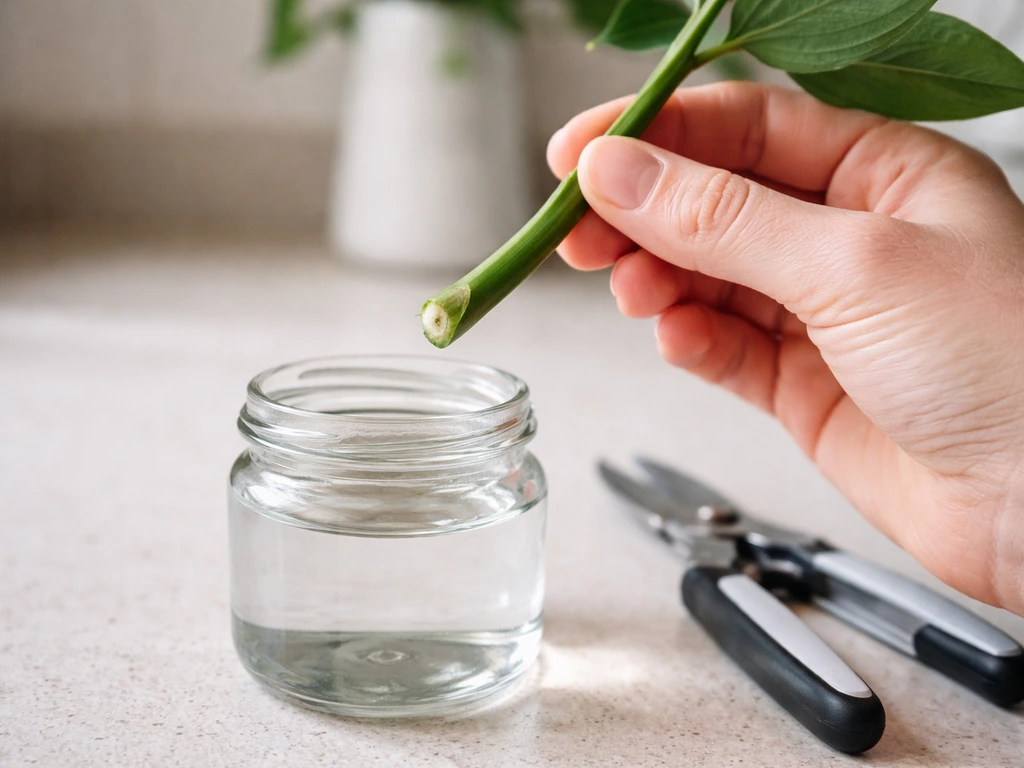
This is the approach most people try first, and it's genuinely the more reliable of the two methods for flowers like roses and geraniums. The idea is simple: you take a healthy stem cutting, encourage it to grow roots, and eventually pot it up as a new plant. The execution requires a bit of attention to detail.
What you'll need
- Sharp, clean scissors or pruners (sterilize with rubbing alcohol first)
- Small pots or cell trays with drainage holes
- Sterile, well-draining rooting medium such as perlite, coarse vermiculite, or a 50/50 mix of perlite and peat. Avoid regular potting soil, which holds too much moisture and can cause rot
- Rooting hormone powder or gel containing IBA (indole-3-butyric acid). Look for products labeled for softwood or herbaceous cuttings, which typically contain around 500 to 1,250 ppm IBA
- A clear plastic bag or humidity dome to maintain moisture around the cutting
- A warm spot with bright, indirect light (not direct sun)
Step-by-step rooting process
- Select a stem that has at least two or three nodes and is 4 to 6 inches long. Cut it cleanly just below a node at a 45-degree angle.
- Strip off the lower leaves, leaving just one or two sets of leaves at the top. Remove any flowers or flower buds completely. This is important: the cutting needs to focus its energy on root formation, not on keeping a bloom alive.
- If the cut end has been in vase water, let it air-dry for about 5 to 10 minutes before applying rooting hormone. Dip the bottom inch of the stem into rooting hormone powder or gel, tap off the excess, and insert it into your pre-moistened rooting medium.
- Make a hole in the medium first with a pencil or skewer before inserting the cutting. This prevents the hormone from rubbing off as you push the stem in.
- Water gently to settle the medium around the stem, then cover with a plastic bag or humidity dome to hold moisture. Aim for around 90 to 95 percent relative humidity around the cutting. High humidity is one of the biggest factors in rooting success.
- Place in bright indirect light and a consistently warm spot, ideally between 65 and 75 degrees Fahrenheit. Avoid direct sun through the plastic, which will cook the cutting.
- Check every few days. The medium should stay lightly moist but never waterlogged. After 3 to 4 weeks, give the stem a gentle tug. Resistance means roots are forming.
Timing matters more than most people realize. Spring and early summer cuttings root faster because the stems are actively growing and the tissue is young and pliable (what propagators call softwood). If you're trying to root a bouquet cutting in December, expect slower results or more failures. Late spring through early summer, roughly April through June in most of the US, is the sweet spot.
Option B: Growing from bouquet seeds
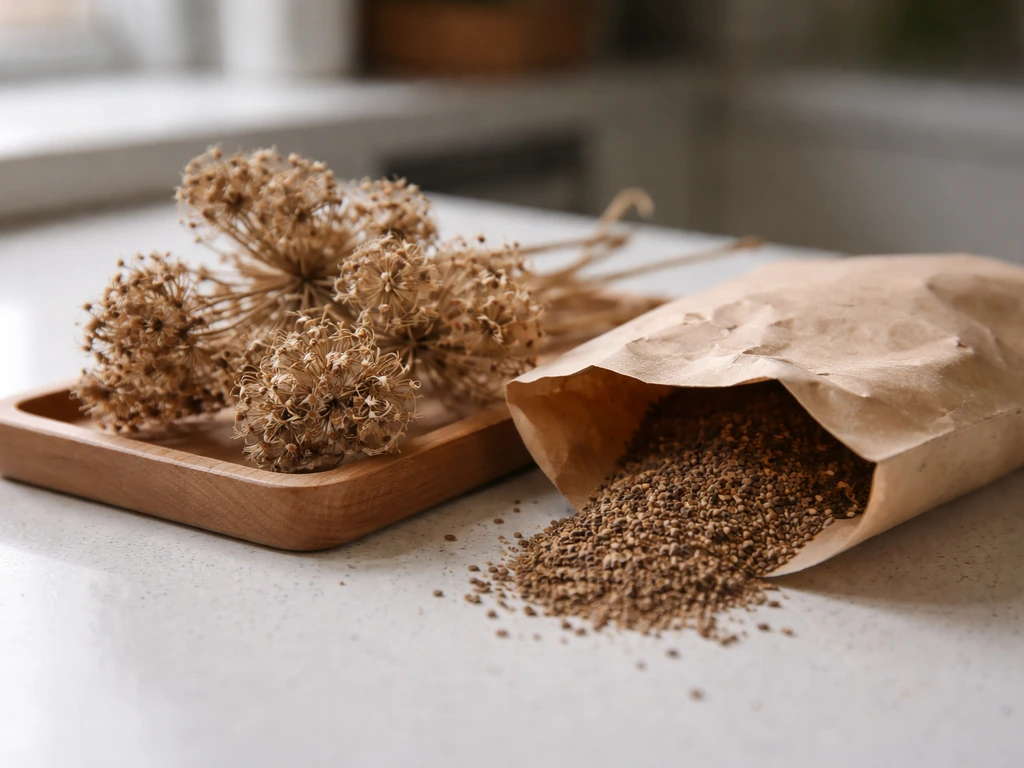
If your bouquet includes flowers that have gone past peak and are forming seed heads, you may have harvestable seeds. This is less common in a standard florist arrangement but happens with dried bouquets, late-season flowers like zinnias and marigolds, or arrangements that have been sitting for a while. If you have dried mums, you can often use the seed heads to grow mums rather than trying to root stems. Growing from bouquet seeds is similar to growing from any other seed, but there are a few extra steps to make sure what you've collected is actually viable.
Harvesting and cleaning bouquet seeds
- Wait until the seed head is fully dry and papery before harvesting. Immature seeds rarely germinate successfully.
- Snip the seed head into a paper bag and let it continue drying indoors in a warm, airy spot for another week or two.
- Separate the seeds from the chaff by gently rolling the dry heads between your palms over a sheet of paper. Remove empty, flat, or shriveled seeds, which almost never germinate.
- Store cleaned seeds in a cool, dry place in a labeled paper envelope until you're ready to sow. For longer storage, aim for low humidity around 15 percent relative humidity if possible, which keeps seeds dormant and viable.
Testing seed viability
Before committing to a full sowing, do a quick germination test: place 10 seeds between damp paper towels, seal them in a plastic bag, and keep them in a warm spot for 7 to 14 days depending on the species. If 5 or more sprout, your germination rate is at least 50 percent and the seeds are worth sowing. Fewer than 3 sprouting means sow heavily or find different seeds.
Sowing and germination basics
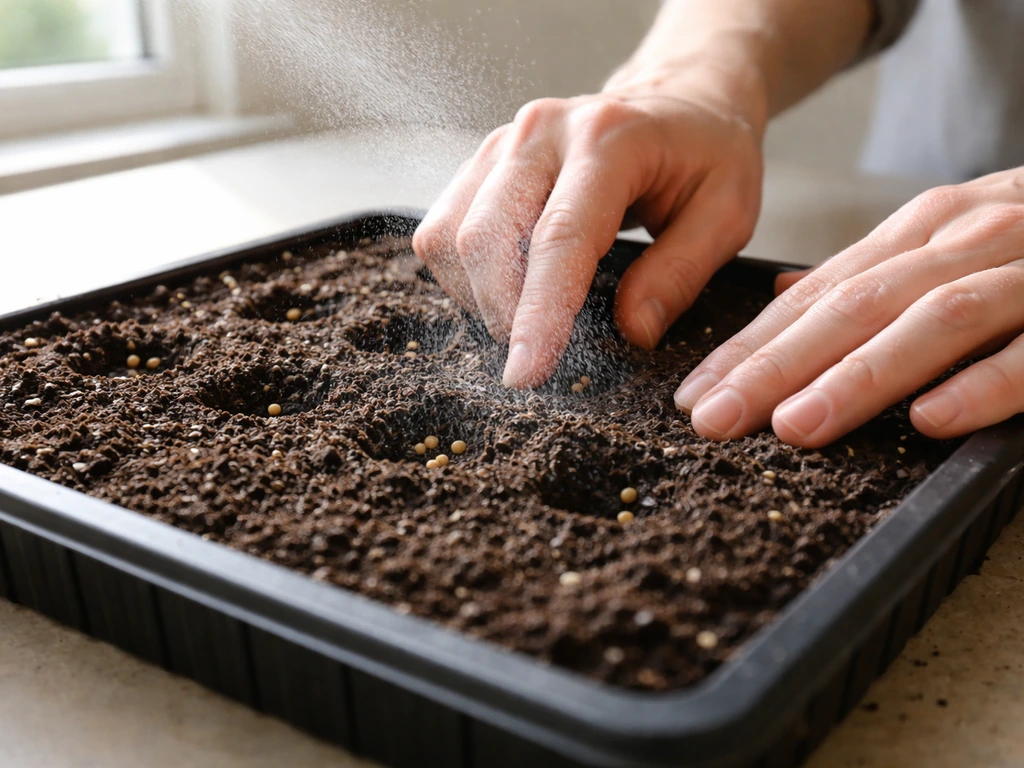
Annual bouquet flowers like zinnias and marigolds are the easiest to start from seed. Sow zinnia seeds about 1/4 inch deep in sterile seed-starting mix after your last frost date when soil temperatures hit at least 70 degrees Fahrenheit, or start them indoors 6 to 8 weeks before last frost. Perennial flower seeds from bouquets are trickier because many require cold stratification (a cold, moist period to break dormancy) before they'll germinate reliably.
If you're working with perennial seeds, plan for 30 to 90 days of cold stratification at 35 to 40 degrees Fahrenheit in a damp paper towel inside your refrigerator before sowing. For best results when storing seeds, Utah State University Extension recommends keeping them around 35°F to 40°F with relative humidity below 40%, since high temperature or high humidity can reduce germination and vigor [35 to 40 degrees Fahrenheit](https://extension. usu. edu/vegetableguide/production/seed-storage-handling.
php). Always use sterile seed-starting mix to reduce the risk of damping-off, a soilborne fungal problem that kills seedlings at the soil line. Penn State Extension also recommends starting seedlings in sterile, soilless mix or sterile flats or pots to help reduce damping-off risk [sterile seed-starting mix to reduce the risk of damping-off](https://extension. psu.
edu/damping-off/).
Which bouquet flowers are most likely to succeed
Not all bouquet flowers are created equal when it comes to propagation. Here's a straightforward breakdown of common bouquet flowers and how cooperative they tend to be.
| Flower | Method that works best | Success rate | Notes |
|---|---|---|---|
| Rose | Stem cutting | Moderate | Garden roses root better than hybrid teas. Remove all blooms before rooting. |
| Geranium (Pelargonium) | Stem cutting | High | One of the easiest bouquet stems to root. Softwood cuttings root quickly. |
| Zinnia | Seed | High (if seed head present) | Easy annual from seed. Zinnias are beginner-friendly and quick to bloom. |
| Marigold | Seed | High (if seed head present) | Seeds are easy to harvest from dried flower heads. Germinates fast with warmth. |
| Chrysanthemum | Stem cutting | Moderate | Needs fresh stem tissue. Commercial mums may have been treated with growth regulators. |
| Sunflower | Seed | High (if seeds visible) | Seeds easy to harvest from dried heads. Sow directly outdoors after last frost. |
| Tulip / Hyacinth / Daffodil | Neither (bulb-grown) | Low | These grow from bulbs, not cuttings or seeds. Buy fresh bulbs instead. |
| Lily | Stem cutting or seed | Low to moderate | Some lily species root from stem cuttings but results are inconsistent from florist stems. |
| Carnation | Stem cutting | Low | Florist carnations are heavily hybridized and treated. Rarely root successfully. |
| Lisianthus | Seed | Low to moderate | Seeds are tiny and slow. Better to buy starts or fresh seed than harvest from bouquet. |
The clear winners for cuttings are roses and geraniums. For seeds, zinnias, marigolds, and sunflowers are your best bets, and conveniently those are also among the easiest flowers to grow from seed in general. Tulips, hyacinths, and daffodils are non-starters for either method since they grow from bulbs, not from cuttings or seeds you can harvest from a bouquet. If your bouquet is heavy on those or on carnations and lisianthus, you're better off going the seed-packet route for a cutting garden.
Troubleshooting problems and moving to the garden
Common problems with cuttings
- No roots after 4 to 6 weeks: The cutting may have been too old or the stem tissue wasn't viable. Try a fresher cutting, increase humidity, and make sure you're using rooting hormone. Some species simply take longer, up to 8 to 10 weeks.
- Stem rotting at the base: Usually caused by too much moisture in the medium or poor drainage. Let the medium dry out slightly between checks, and make sure your pot has drainage holes. Sterilizing your rooting medium and tools before you start helps prevent this.
- Leaves yellowing and dropping: Some leaf drop is normal as the cutting adjusts, but if it's rapid and widespread, check for rot at the base. Also confirm the cutting isn't in direct sun through the humidity dome.
- Wilting under the humidity dome: A little wilt is fine at first. If it persists, mist the inside of the bag lightly but don't open it too frequently. Consistent humidity is more important than fresh air at the early stage.
Common problems with seedlings
- Seeds not germinating: Check whether the species needs stratification or a dormancy-breaking treatment before sowing. Research the specific flower before giving up.
- Seedlings collapsing at soil level: This is damping-off, caused by soilborne fungi. Always use sterile seed-starting mix and sterilized containers. There's no saving affected seedlings, but you can start fresh with clean materials.
- Slow or patchy germination: Soil temperature is often the culprit. Most annual flower seeds prefer soil temperatures between 65 and 75 degrees Fahrenheit. A heat mat under the trays helps a lot.
Transplanting rooted cuttings to the garden
Once your cutting has roots that are at least an inch long and is showing new leaf growth, it's ready to move into a small pot with regular potting mix. Grow it indoors for another few weeks to let it establish before hardening it off outdoors. Hardening off means gradually introducing the plant to outdoor conditions over 7 to 10 days, starting with an hour or two of morning sun and working up to full outdoor exposure. Transplant into the garden after your last frost date when nighttime temperatures stay above 50 degrees Fahrenheit.
How long it actually takes, and keeping expectations real
Here's the honest timeline: if you root a stem cutting successfully, you're looking at 4 to 8 weeks to get a rooted cutting, then another 4 to 6 weeks of growing on before it's garden-ready, then however long that species takes to bloom from a young plant. For roses, that might mean no blooms until the following season if you're rooting in late summer or fall. For geraniums, you might see blooms within 3 to 4 months of rooting.
Growing from bouquet seeds takes a similar amount of time as starting any flower from seed, roughly 8 to 16 weeks from sowing to first bloom for fast annuals like zinnias, longer for perennials. The big uncertainty with bouquet seeds is true-to-type variability. Many florist flowers are hybrids, which means the seeds won't produce plants identical to the parent. You might get something wonderful, or something disappointingly different. If you need a specific color or form, buying fresh seed of a named open-pollinated variety is the more predictable path.
Compare that to simply buying a seed packet of, say, a cutting garden zinnia or marigold mix: you know the germination rate, the expected bloom time, and the plant type. For a beginner who wants reliable results and a garden full of flowers by summer, starting from quality seed is almost always faster and more satisfying than trying to propagate uncertain bouquet cuttings.
Bouquet propagation is a fun experiment, and it's genuinely rewarding when it works, but it's a supplement to seed gardening, not a replacement for it. If you're curious about related approaches like rooting a single stem or growing flowers specifically from cut flower stems, those are worth exploring as well since the techniques overlap considerably with what's covered here.
If you want to use cut flower stems as your starting point, the same rooting concepts for stem cuttings can help you plan the setup and improve your odds growing flowers specifically from cut flower stems.
FAQ
Can you grow flowers from a bouquet if the flowers are already wilted or past their prime?
You can try, but success drops sharply. Look for stems that are still green and pliable, not hollow or turning brown and dry. Wilted stems can still sometimes root if you can make fresh cuts (removing any mushy tissue) and keep the cutting warm and humid, but fully dried or badly decayed stems are usually a write-off.
Do I need to change the water if I’m rooting bouquet cuttings in a jar?
Yes. Use fresh, clean water and refresh it regularly (at least every few days) to limit rot and bacteria. If the water gets cloudy or the stems start to smell, discard and start over with a new clean cut. Avoid submerging leaves in the water, since submerged leaves are a common cause of stem rot.
What’s the quickest way to tell whether a bouquet stem is likely to root?
Check the stem thickness and vigor, then do a “wound freshness” test. Make a small new cut at the base, and if the tissue looks healthy inside (not dark and slimy), it’s a better candidate. If the stem is woody, very thin and dried out, or the core turns brown immediately, the odds are low.
Should I use rooting hormone on bouquet cuttings?
It can improve outcomes, especially for roses and other semi-easy cuttings. Dip only the cut end into the rooting powder or gel, and don’t overdo it. Also, rooting hormone won’t compensate for preservative-treated stems, so avoid expecting dramatic results with florist bouquets.
Can you root cuttings from a bouquet in soil instead of water?
Often, yes, and it can reduce later transplant shock. Use a sterile, airy propagation mix (seed-starting mix or a blend designed for cuttings), keep it lightly moist, and use gentle cover like a clear plastic dome or bag for humidity. The key is preventing soggy conditions, since overwatering causes damping-off or rot.
Will bouquet flowers rooted as cuttings be identical to the original plant?
Usually yes for vegetative cuttings from species that root well, because you’re cloning the parent stem. The big exception is if what you received is a hybrid plant that was bred for certain traits, but vegetative propagation typically preserves the traits that the original cultivar expresses under normal conditions.
Why do some bouquet cuttings rot even if I kept them warm?
Rot usually comes from one of four issues: submerged leaves, stagnant dirty water, overly cold conditions, or tissue compromised by floral preservatives. Another common mistake is waiting too long before re-cutting the base. If you see browning at the cut end, trim back to healthier tissue and restart with clean water or a fresh medium.
Can I grow flowers from a bouquet that were treated with floral preservatives?
Sometimes, but it’s unpredictable. Preservatives can reduce or block rooting by chemically altering the stem’s ability to form new roots. If you do try, focus on self-cut or garden-grown stems first, and if florist-treated stems won’t root within a few weeks, it’s usually more efficient to switch to seed or a seed packet.
If the bouquet has seed heads, how can I confirm the seeds are viable before sowing?
Do a germination test with a small batch (like 10 seeds) between damp paper towels, sealed in a bag, for about 7 to 14 days depending on the flower. If only a few sprout, either sow much more heavily or assume low viability and plan to source other seeds if you need predictable results.
How should I store bouquet seeds if I can’t sow right away?
Dry them thoroughly and store in a cool, dry place in an airtight container. Label by plant type and harvest date. Many seeds keep best refrigerated if they stay very dry, but avoid freezing unless you know the specific seed type handles it well.
Do perennial bouquet seeds always need cold stratification?
Not always, but many perennials require it to break dormancy and germinate reliably. If you don’t know the species, check typical stratification requirements for that plant type and err toward longer, colder periods rather than skipping it. Some species germinate erratically without stratification, even if the seeds look healthy.
What’s a practical schedule for moving rooted cuttings into pots?
Don’t pot too early. Wait until you have roots at least about an inch long and you see new leaf growth, then move to a small pot with regular potting mix. Keep it indoors for a few weeks to stabilize, then harden off gradually over about a week so the young plant can adjust to sun and outdoor temperature swings.
Can I harden off bouquet-rooted plants outdoors if it’s still cold at night?
Hold off until nighttime temperatures are reliably warm for that species. If nights stay near or below the midpoint threshold (often around the 50°F range for many garden annuals), growth can stall or the plant can suffer. A simple safety measure is to delay transplanting until after your last frost date and use row cover only as a short-term buffer.
Is it worth trying bouquet propagation instead of buying seeds or seedlings?
It depends on your goal. Bouquet propagation is best as an experiment or when you enjoy the process and can tolerate uncertainty, especially with hybrid florist varieties. If you need specific colors, bloom timing, or guaranteed fullness by a particular date, starting with fresh seed of a named variety or buying seedlings usually gives more predictable results.
Next Articles
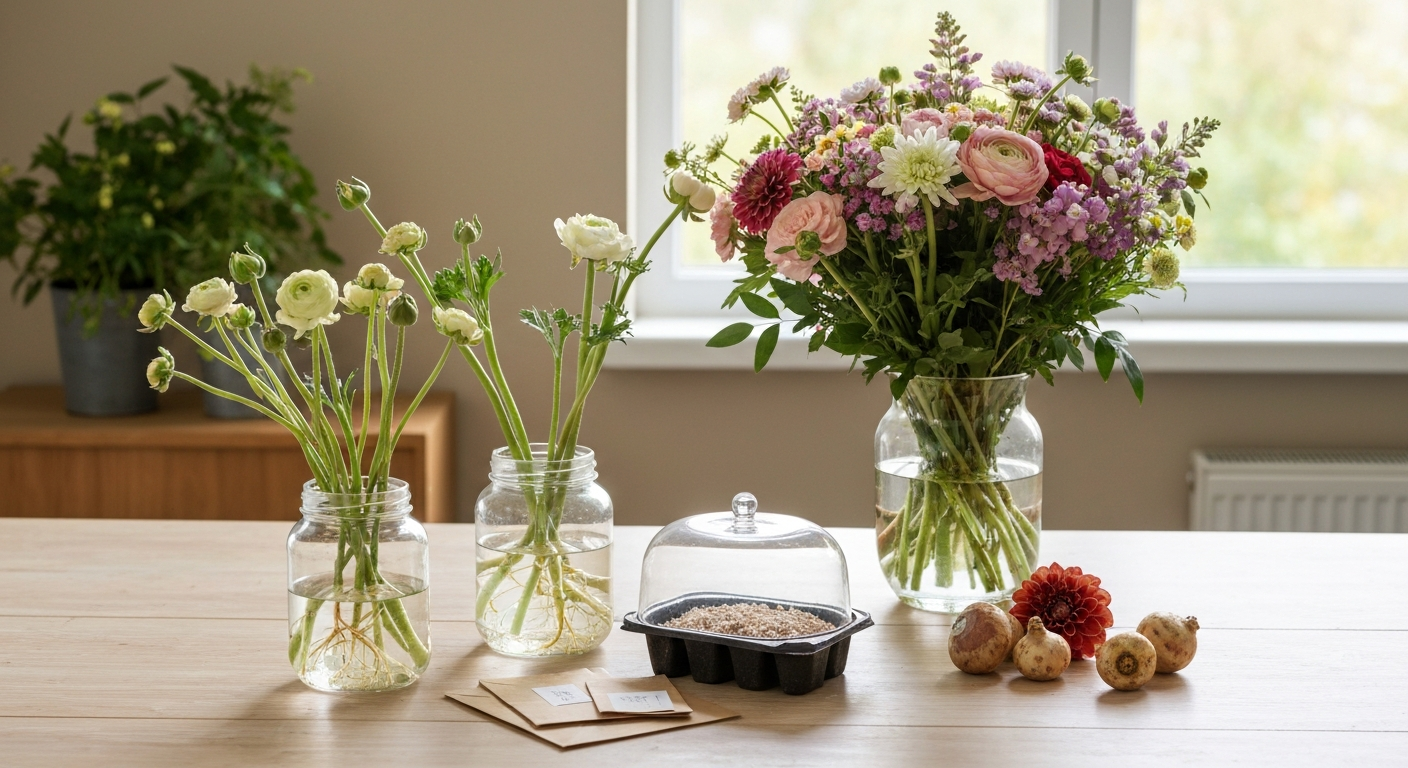
How to Grow Plants from a Bouquet: Step-by-Step Guide for Beginners
How to grow plants from bouquet: step-by-step rooting, seed saving, bulbs, timelines and troubleshooting
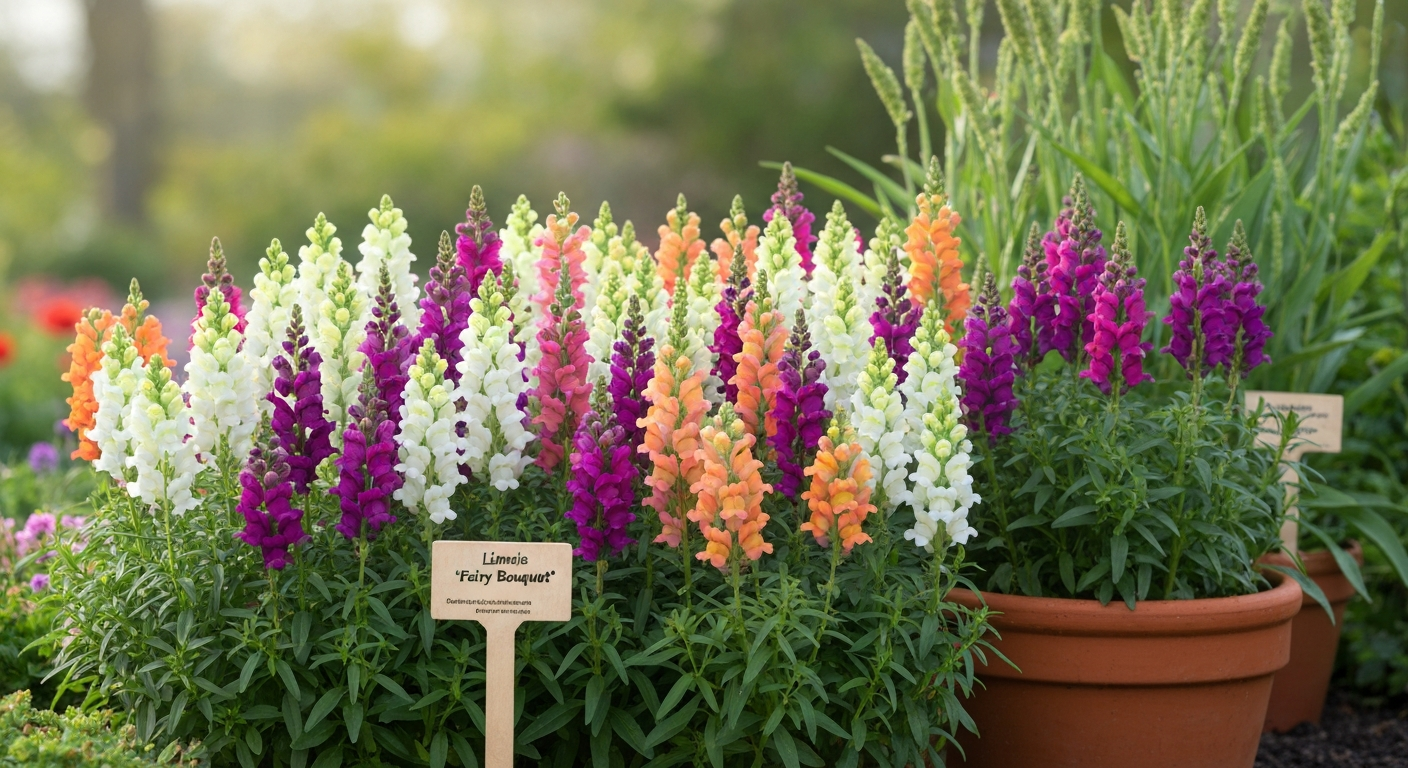
Linaria 'Fairy Bouquet' How to Grow: Seed to Cut Flowers
Grow Linaria 'Fairy Bouquet' from seed to vase: step‑by‑step sowing, care, cutting, seed saving & troubleshooting.
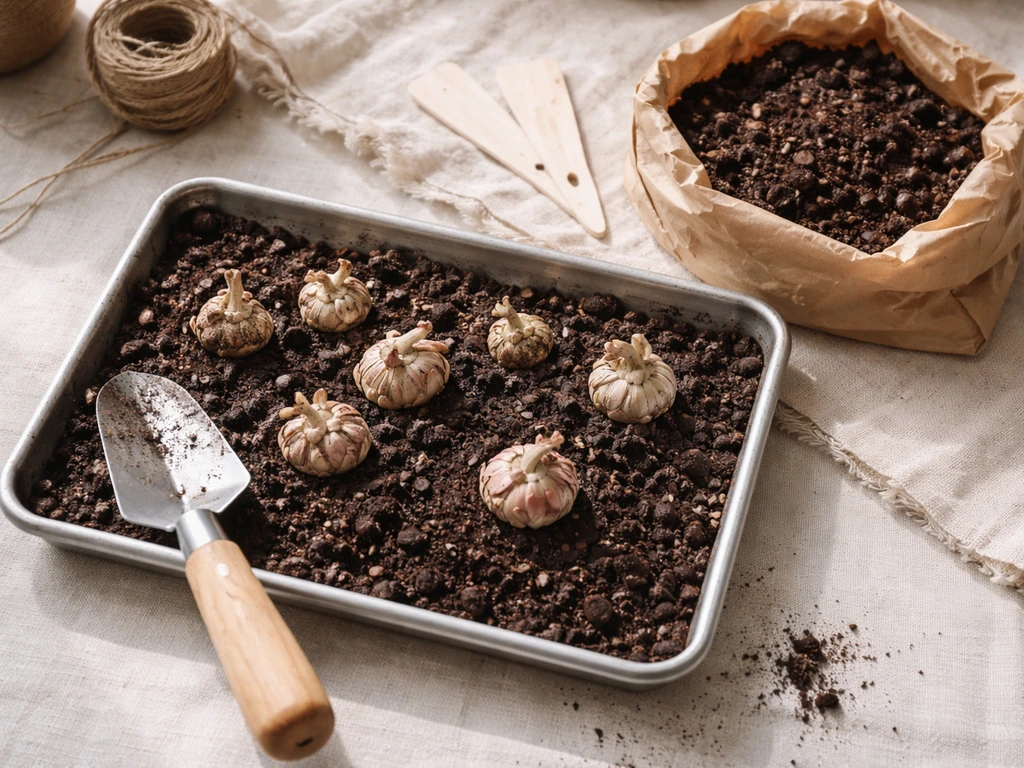
Floret How to Grow Ranunculus: Step-by-Step Guide
Step-by-step Floret-style ranunculus guide: corm prep, planting, watering, frost care, troubleshooting, and harvest for