Growing wildflowers from seed is genuinely one of the most rewarding things you can do in a garden, and it's far more straightforward than most people expect. The short answer: pick a seed mix suited to your conditions, prep a bare patch of soil, scatter the seeds, press seeds into bare soil, water consistently for a few weeks, and then manage weeds while you wait. That's really the whole arc.
Wildflower Seeds How to Grow Them From Seed Step by Step
James Holloway
24 Mar 2026
The details below will make each of those steps click into place so you're not guessing your way through it. The short answer: pick a seed mix suited to your conditions, prep a bare patch of soil, scatter the seeds, press seeds into bare soil, water consistently for a few weeks, and then manage weeds while you wait. That's really the whole arc.
Choosing wildflower seeds and matching them to your site
The biggest mistake people make is grabbing a generic 'wildflower mix' from a hardware store without checking whether it matches their region, sunlight, or soil type. A mix loaded with drought-tolerant prairie species will struggle in a shady, moist corner of the Pacific Northwest. A mix built for Southern heat will limp along in a Zone 4 Minnesota garden. Start by reading the label or the seed seller's description carefully.
The first thing to sort out is annuals versus perennials. Annual wildflowers like California poppy, bachelor's button, and plains coreopsis complete their full life cycle in one season: they sprout, bloom, set seed, and die. You get flowers faster, often in the same year you sow. Perennial wildflowers like purple coneflower and black-eyed Susan persist across years, but many need a period of cold, moist conditions (called stratification) before they'll germinate reliably.
Black-eyed Susans will germinate without pretreatment but may do so faster with about a month of cold, moist stratification. Coneflowers can benefit from one to three months of the same treatment. Most quality seed mixes blend both, which is smart: annuals give you color in year one while perennials build the long-term meadow.
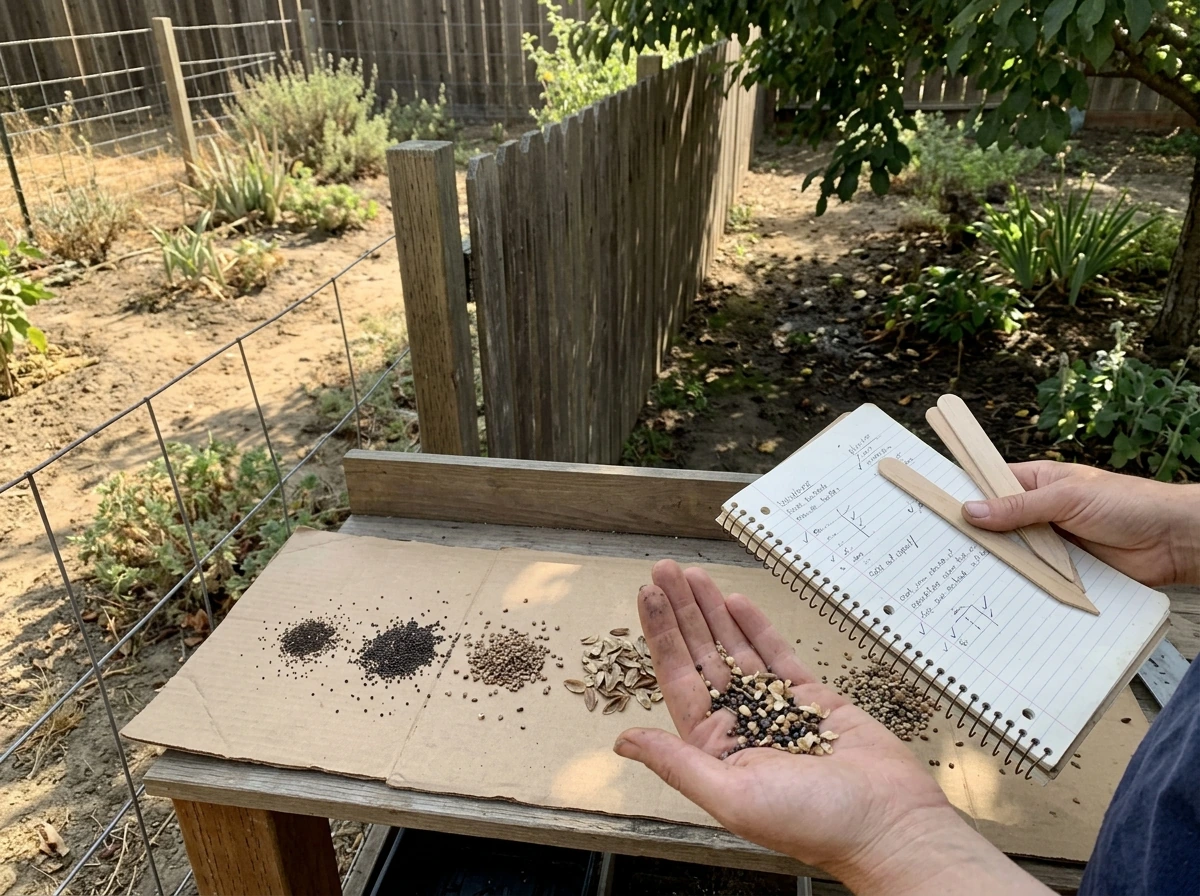
Beyond annuals and perennials, match the mix to your actual growing conditions. Most wildflower mixes want full sun (six or more hours daily) and decent drainage. If you're working with partial shade, look for mixes that specifically call that out. Native regional mixes are almost always a better bet than 'national' blends because the species are adapted to your local rainfall patterns, soil chemistry, and pollinators. Seed freshness also matters: look for seed that has been germination-tested within the last six months if possible, because older seed can drop significantly in viability.
When to plant: timing for spring, fall, and local climate
There are two main planting windows for wildflowers: fall and early spring. Both can work, but they work through different mechanisms, and which one is better for you depends heavily on where you live.
Fall planting
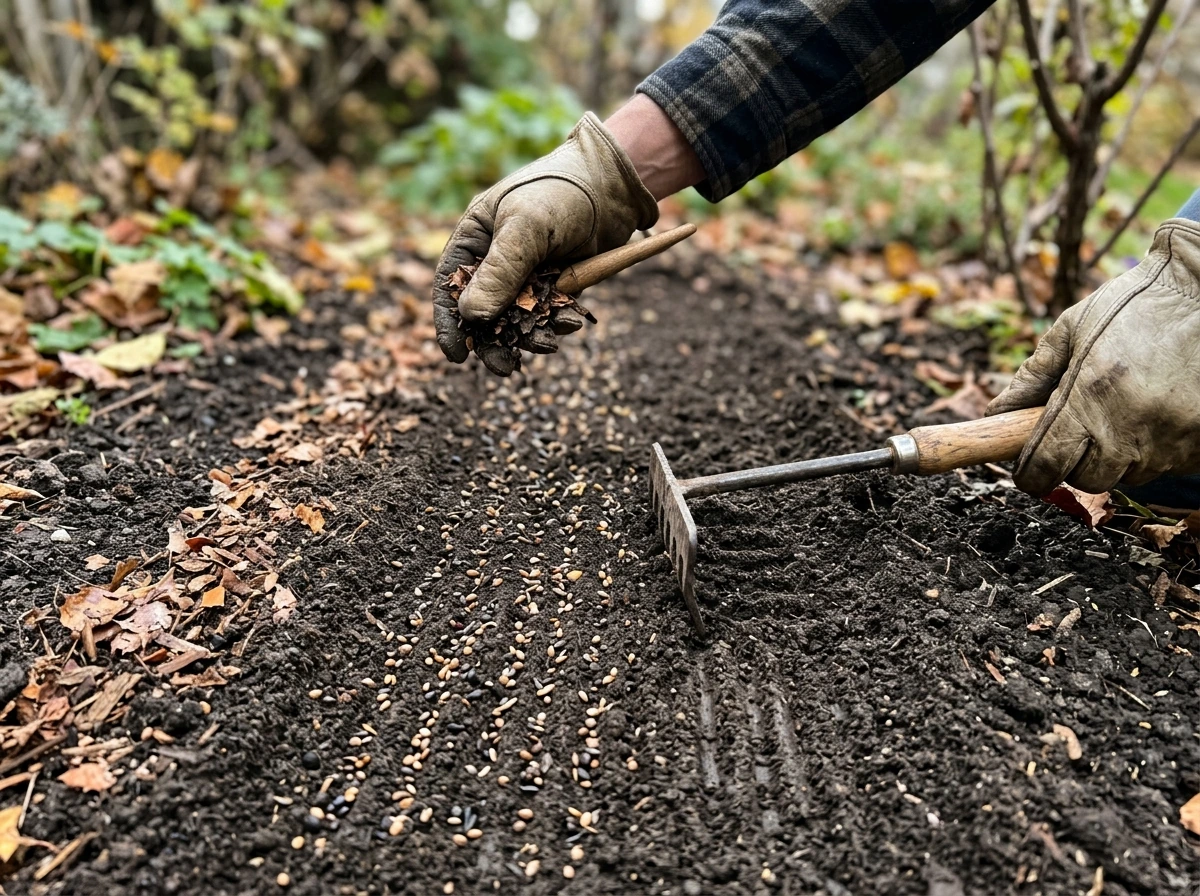
Fall planting is what many extension programs recommend as the best approach overall. The reasoning is straightforward: [wildflower germination is naturally enhanced by exposure to cold temperatures and damp soil over winter](https://ask. extension. org/kb/faq.
php? id=736439). When you sow in fall, the seeds sit in the ground through winter, experience that cold-moist stratification naturally, and then germinate at the first real indication of spring. In USDA Zones 1 through 6 (the colder half of the country), fall seeding essentially uses winter itself as a built-in cold treatment, and germination kicks off with the season.
One caveat: in Zones 1 through 6, if an unseasonably harsh cold snap hits after seeds have started to germinate in a mild spell, frost damage can kill tender seedlings. That's rare but worth knowing.
Spring planting
Spring planting works well for annual-heavy mixes and in milder climates (Zones 7 and above). The key is sowing as early as the soil can be worked, while it's still cool and moist. Most wildflower seeds need cool, damp conditions to germinate, not summer heat. If you sow in late spring when the ground is already warming up, you'll get much patchier results. Aim for late winter to early spring in your area.
A quick zone-by-zone reference
| USDA Zone | Best Planting Window | Notes |
|---|---|---|
| Zones 1–4 | Fall (September–October) or very early spring | Winter dormancy is an asset; spring sow as soon as soil is workable |
| Zones 5–6 | Fall (October–November) or early spring (March–April) | Fall is preferred; spring sow before soil warms above 60°F |
| Zones 7–8 | Fall (October–December) or late winter (February–March) | Mild winters allow fall sow with less freeze risk |
| Zones 9–11 | Fall through early winter | Cool-season sowing; summer heat makes spring planting impractical |
Preparing the soil (or minimal-soil approach) for seed germination
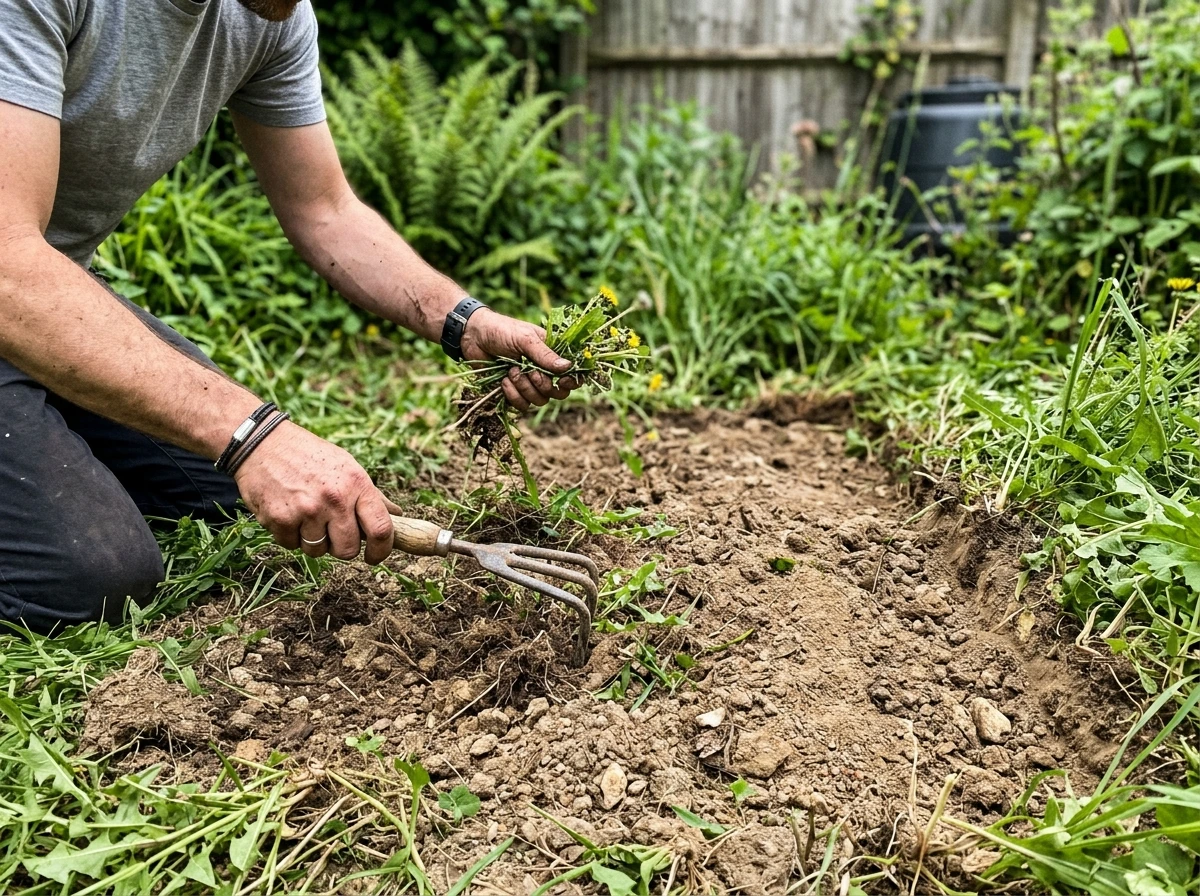
Here's something that trips people up: wildflowers generally don't want rich, heavily amended garden soil. Most native wildflowers evolved in lean conditions and will actually produce more foliage than flowers if the soil is too fertile. What they really need is bare mineral soil with good seed-to-soil contact, not a fluffy raised bed full of compost.
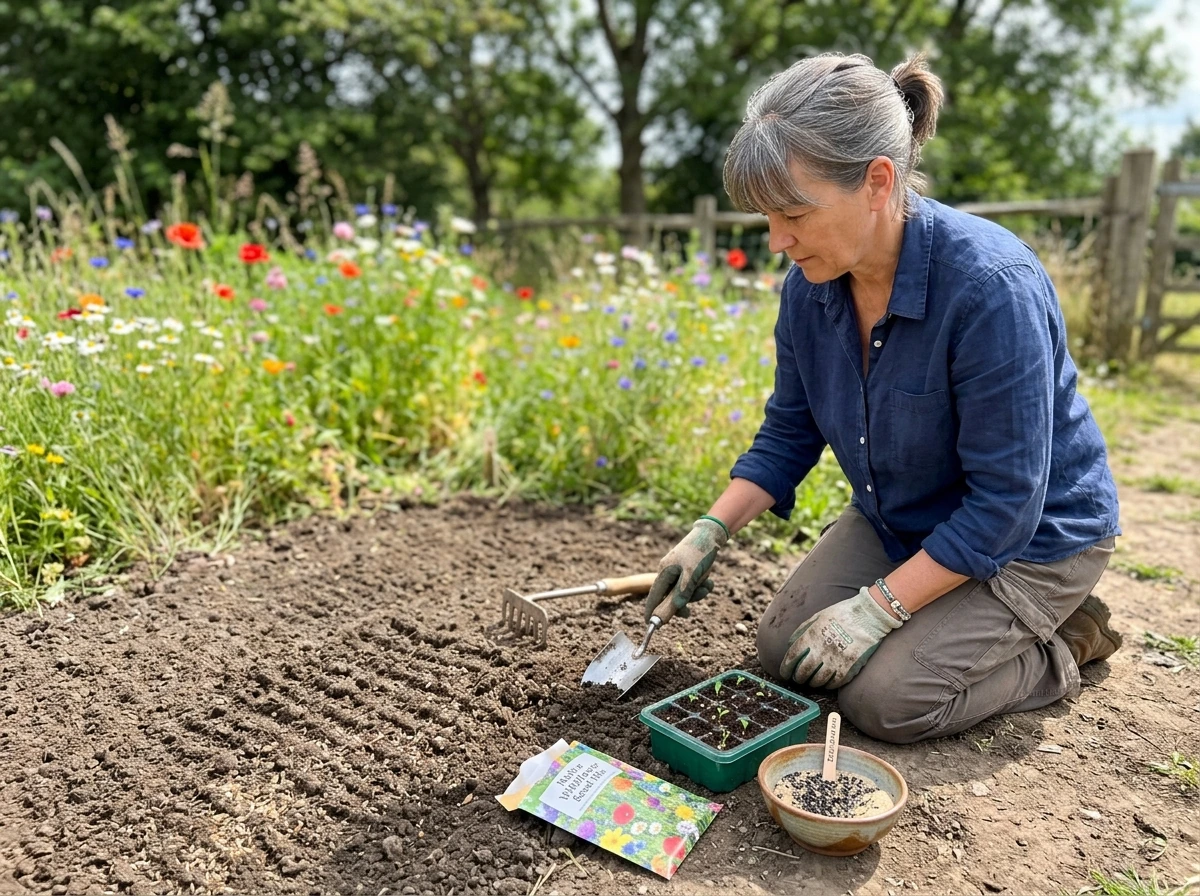
The biggest job in site prep is removing existing vegetation. Grass and established weeds are the number one reason wildflower plantings fail. You can remove them by smothering with cardboard or black plastic for several weeks before sowing, by solarizing in summer, or by careful hand-removal and raking. For a smaller area, I've had good results just scraping the surface with a hard rake and removing as much root material as possible. For larger areas, a single shallow pass with a tiller or a rented sod cutter followed by raking works well.
Once vegetation is cleared, rough up the top inch or two of soil so seeds have something to nestle into. You don't need to till deeply. In fact, deep tilling brings up dormant weed seeds from lower layers, which just creates more competition for your wildflowers. Scratch the surface, remove debris, and call it done. If your soil is extremely compacted clay or pure sand with zero organic matter, a light topdressing of compost raked into the top half-inch can help, but keep it minimal.
Sowing methods: broadcasting, raking in, covering, and spacing expectations
Broadcasting (hand-scattering) is the standard approach for wildflower mixes, and it works well as long as you follow up with proper seed-to-soil contact. Just tossing seeds onto unprepared ground and walking away is not enough. The seed has to touch soil to germinate, not just sit on top of loose mulch or old plant debris.
How to broadcast seeds correctly
- Mix your seeds with dry sand at a ratio of about 4 parts sand to 1 part seed. This helps you see where you've sown and prevents clumping.
- Divide your seed-sand mix in half. Scatter the first half walking in one direction across the area, then scatter the second half walking perpendicular. This gives more even coverage.
- Lightly rake the area after broadcasting to work seeds into the top 1/8 to 1/4 inch of soil. Most wildflower seeds are small and want very shallow placement. Purple coneflower, for example, should be no deeper than 1/8 to 1/4 inch.
- Firm the soil after raking using a lawn roller, a cultipacker, or simply walking across the area in flat-soled shoes. This step dramatically improves germination by pressing seeds into direct contact with soil particles.
- Note that broadcast seeding requires a higher seeding rate than drill seeding, often roughly double the amount, because coverage is less precise.
One thing to know about light requirements: some wildflower species actually need light to germinate and must not be buried. Dwarf fireweed is a good example of a species that should be surface-sown without any covering. When you're using a mix, raking in lightly (not deeply) and then firming is the best compromise that serves most species in the blend.
Don't expect perfect uniform spacing from a wildflower mix. That's part of the charm. You'll get some bare patches and some dense clusters. The bare patches often fill in as plants self-seed in subsequent years. Resist the urge to oversow to fill them, or you'll end up with overcrowded seedlings that compete and flop.
Watering and aftercare until germination and establishment
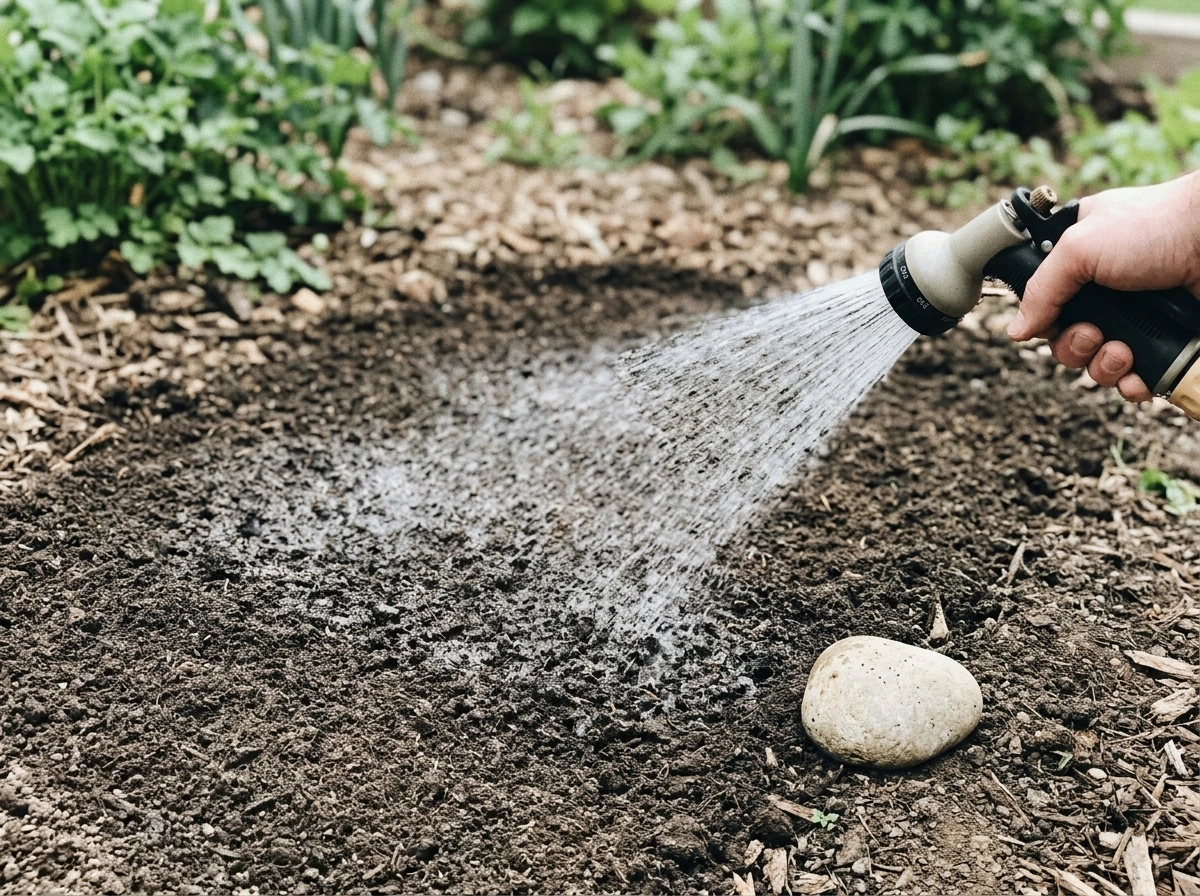
The first three to four weeks after sowing are the most critical. The top layer of soil needs to stay consistently moist, because once a seed begins the germination process it cannot dry out mid-cycle without dying. This is where most first-time wildflower growers lose seeds: a few days of forgetting to water during a dry spell in the first week or two can wipe out germination entirely.
Water lightly and frequently rather than deeply and infrequently during this phase. A gentle spray from a hose attachment or a sprinkler works well. Aim to water three to four times per week, or whenever the top couple of inches of soil feel dry. After the initial sowing period, continue with shorter waterings every three days for about three weeks to support seedlings as they push through. Once plants are two to three inches tall and clearly rooted, they're much more resilient and you can back off to watering only during prolonged dry spells.
Always use a gentle, low-pressure stream or mist when watering freshly sown seeds. A strong blast from a hose will displace seeds and wash them into clusters, undoing all the effort you put into even distribution. I've made that mistake once. It's annoying.
For most wildflower mixes, germination occurs within one to four weeks under good conditions. Perennials in a mix may be slower, and some may not appear until the following spring, especially if they need cold stratification. Don't panic if half the mix seems dormant. Mark the area, keep watering, and wait. Patience really is the skill here: a full wildflower meadow from seed often takes two to three growing seasons to reach its peak.
Weed control, thinning, and managing growth to get blooms
Weed control is not optional. It's the single most important factor in whether your wildflowers actually establish and bloom, or whether grass and opportunistic weeds just take over the bare soil you so helpfully prepared for them. The tricky part is learning to identify your seedlings early so you're not pulling up the plants you want.
Spend a few minutes studying the seedling appearance of the main species in your mix before anything germinates. Most seed companies include a seedling identification guide, or you can find photos easily online. Wildflower seedlings tend to emerge with two small rounded seed leaves first, then produce their true species-specific leaves as they grow. Grass weeds are almost always grass-shaped (narrow, linear leaves) from day one, which makes them easier to spot early.
For managing competition and keeping weeds from shading out your seedlings, mowing is a surprisingly effective tool during establishment. Mowing to a height of 6 to 8 inches every six weeks while vegetation is getting established keeps aggressive weeds from going to seed and setting back your wildflowers, without cutting the shorter wildflower seedlings. This works especially well for taller grass or weed species that overtop your seedlings. Once the wildflowers are established, annual mowing in late fall or early spring (after seeds have dropped) is really all the maintenance you need most years.
Thinning is something most wildflower guides gloss over, but it genuinely matters in dense spots. If you have a section where seedlings are so thick they're touching and competing, thin them to roughly 6 to 12 inches apart by snipping unwanted seedlings at the base (don't pull, or you'll disturb the roots of neighboring plants). Crowded seedlings produce weak stems and fewer flowers.
Pull any obvious weeds by hand as soon as you can identify them, especially in the first season. Once weeds go to seed, you've created a bigger problem for next year. In subsequent seasons, as your wildflowers fill in and self-seed, they naturally crowd out many weeds on their own. The first season is the hardest. After that, things genuinely get easier.
What to realistically expect and when
If you sow a mix heavy in annuals (California poppy, cornflower, annual phlox), you can reasonably expect blooms in the same growing season, often eight to twelve weeks from germination, just like learning cornflower seeds how to grow for reliable results. Perennial-heavy mixes or native meadow mixes may produce some blooms in year one but won't look like much. Year two is when most people are genuinely impressed, and year three is often when a wildflower planting really hits its stride with a full, layered bloom display and self-seeding happening naturally.
Starting from seed is the most cost-effective way to establish a wildflower area, and it's genuinely less labor-intensive than transplanting plugs once you get past the initial prep. The key steps are all front-loaded: site clearing, sowing correctly, and keeping things moist and weed-managed in the first few weeks. After that, wildflowers are largely self-sufficient. If you also enjoy growing other flowers from seed, the same timing logic and sowing principles that apply here carry over well to growing cornflowers, poppies, and other cut-flower staples from seed.
The bottom line: pick the right mix for your site, sow at the right time for your zone (fall is almost always the best default), press seeds into bare soil, water consistently for the first three to four weeks, and pull weeds early. Do those things and you'll have wildflowers. It's not complicated, it just requires following through on each step rather than skipping the prep. how to grow duck flower
FAQ
Do I need to cover wildflower seeds with soil, or should I leave them on the surface?
It depends on the species in your mix. Some need light to germinate and should be left on the surface (surface-sown), while others can be lightly raked in. A safe compromise is to rake just enough to make a shallow soil contact, not a deep burying, and then firm the area so seeds are touching mineral soil.
What should I do if it rains heavily right after I sow?
A soaking rain is fine, but watch for washing and crusting. If you see seeds displaced into clusters or a hard crust forming, gently loosen the surface after the soil softens (avoid digging). If seeds are on top of thick mulch or debris, rake very lightly to reestablish seed-to-soil contact.
How do I tell whether lack of germination is bad seed, wrong timing, or just normal delay?
Most mixes germinate within one to four weeks, but perennials can lag until the following spring, especially if they need cold. Mark the sowed area, keep the top inch consistently lightly moist, and wait at least a month before assuming failure. If nothing appears after that and conditions were ideal, reassess seed freshness and whether the seeds were buried too deeply or dried out early.
Can I grow wildflowers from seed in containers or raised beds instead of the ground?
Yes, but you must use a very lean planting setup. Avoid rich compost-heavy mixes, use good drainage, and keep the top layer evenly moist for the first few weeks. Also, containers dry out faster than ground, so the “consistent moisture” window is more demanding.
What’s the best way to water newly sown seeds without displacing them?
Use low-pressure watering, such as a mist setting or a gentle sprinkler, and water in short sessions that prevent pooling. The goal is to moisten the top layer repeatedly, not flood. If seeds are washing into channels, reduce flow rate and increase frequency.
Should I fertilize wildflowers while they’re establishing?
Usually no. Wildflowers, especially natives, are adapted to lean conditions. Fertilizer often increases weeds or encourages lush foliage with fewer blooms. If your soil is extremely poor, use a minimal topdressing very sparingly after establishment, not at sowing.
How do I avoid pulling out the wildflowers when I’m weeding early?
Do a quick “scouting” routine before weeds get obvious: learn what the main seedlings in your mix look like at day 10 to 20. Wildflower seedlings often start with small, rounded seed leaves, while grasses are typically narrow and grass-shaped right away. Pull only what you can confidently identify.
Is oversowing a good idea if I want instant density?
Usually not. Dense spots can become overcrowded, leading to weak stems and fewer flowers. If you have very thick patches, thin by snipping at the base once seedlings are identifiable, aiming for roughly 6 to 12 inches apart rather than trying to keep all seedlings.
Do I need to thin in every wildflower planting?
No. Many mixes self-regulate, and natural gaps can fill over time. Thinning matters most when seedlings are touching or in a few dense sections where competition is severe. If spacing looks reasonable after a month or two, leave it alone.
When should I mow, and will mowing hurt seedlings?
Mow during establishment to suppress aggressive weeds, but keep the mower height fairly high, around 6 to 8 inches. Mowing too low can scalp young wildflowers. As soon as wildflowers are clearly established and weeds are less competitive, you can shift to late-fall or early-spring mowing.
Should I mow the first year if I’m trying to encourage spreading?
Mow can help establishment by preventing weeds from going to seed, but don’t mow so aggressively that you remove all wildflower flowering before seed set. A practical approach is to mow selectively during early competition, then allow most wildflower plants to complete their cycle so they can self-seed naturally.
What’s the right expectation for blooming time from annual-heavy versus perennial-heavy mixes?
Annual-heavy mixes often bloom in the same season, commonly within about 8 to 12 weeks after germination. Perennial-heavy mixes may show limited blooms in year one, with the biggest display usually arriving in year two or three as plants size up and self-seeding fills gaps.
Can I reseed a failed area the same year?
Sometimes, but timing matters. If seeds germinated poorly and the area is dry or full of weeds, it may be better to re-sow at the next suitable planting window (fall or early spring). If you reseed, repeat the full prep steps (clear competition, shallow surface contact, and strict early moisture) rather than just scattering more seed on top.
Why do my wildflowers look great at first, then disappear?
The most common causes are early moisture failure (seeds drying out mid-germination), grass competition that overtops seedlings, or soil fertility that favors weeds. Address the first-year bottlenecks: weed control in the early months and consistent top-layer moisture during the first three to four weeks.
Next Articles
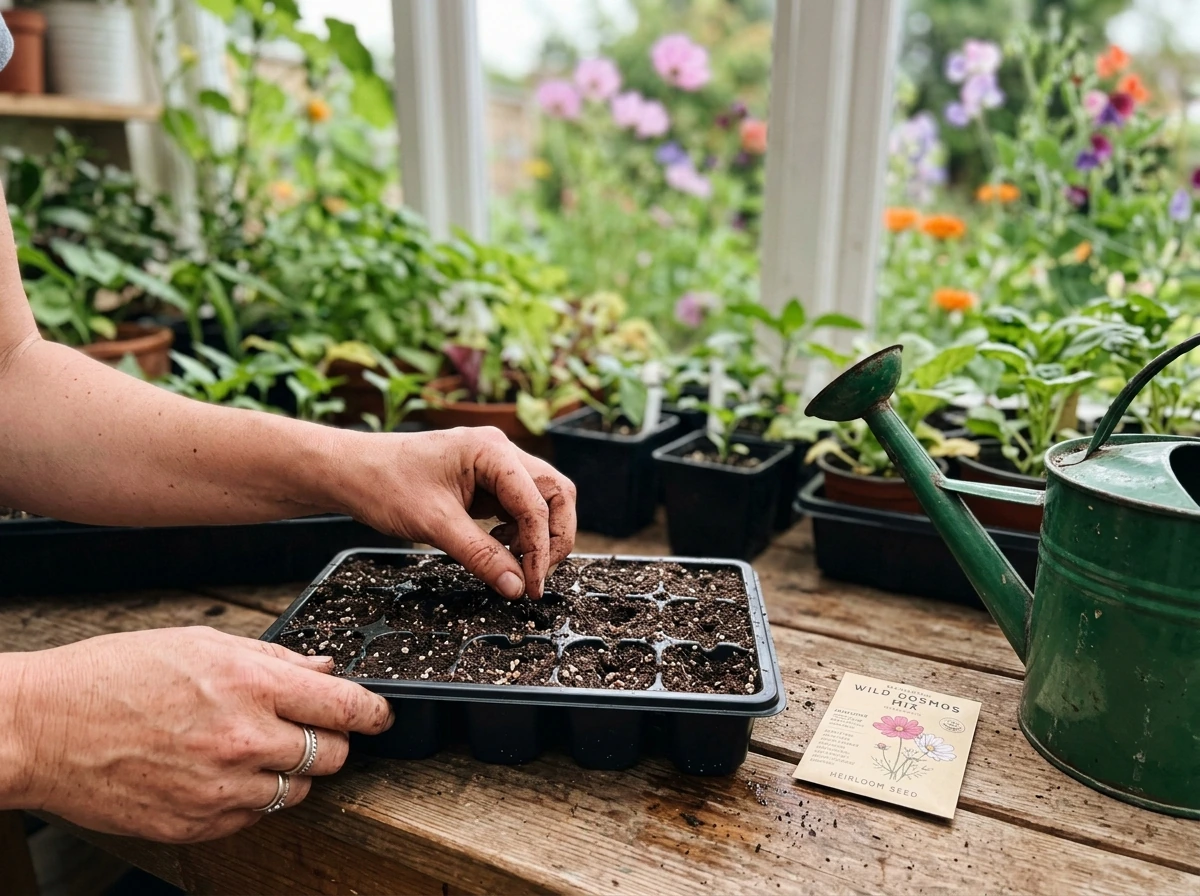
How to Grow Flowers From Seeds: Step by Step Guide
Step-by-step guide to grow flower seeds to blooms, including supplies, planting timing, germination, thinning, and care.
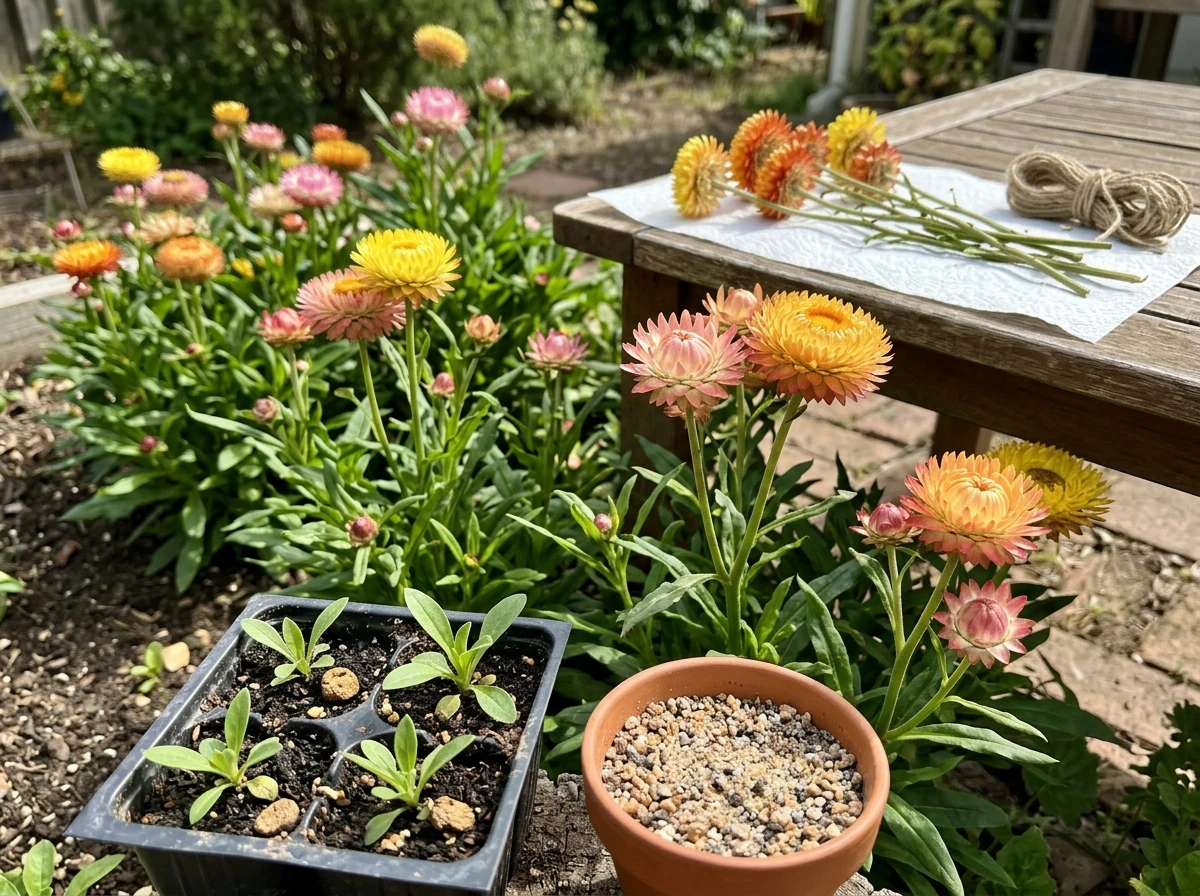
Strawflowers How to Grow From Seed to Bloom and Cut
Step-by-step strawflower how to grow from seed to bloom, including care, cutting for drying, and troubleshooting.
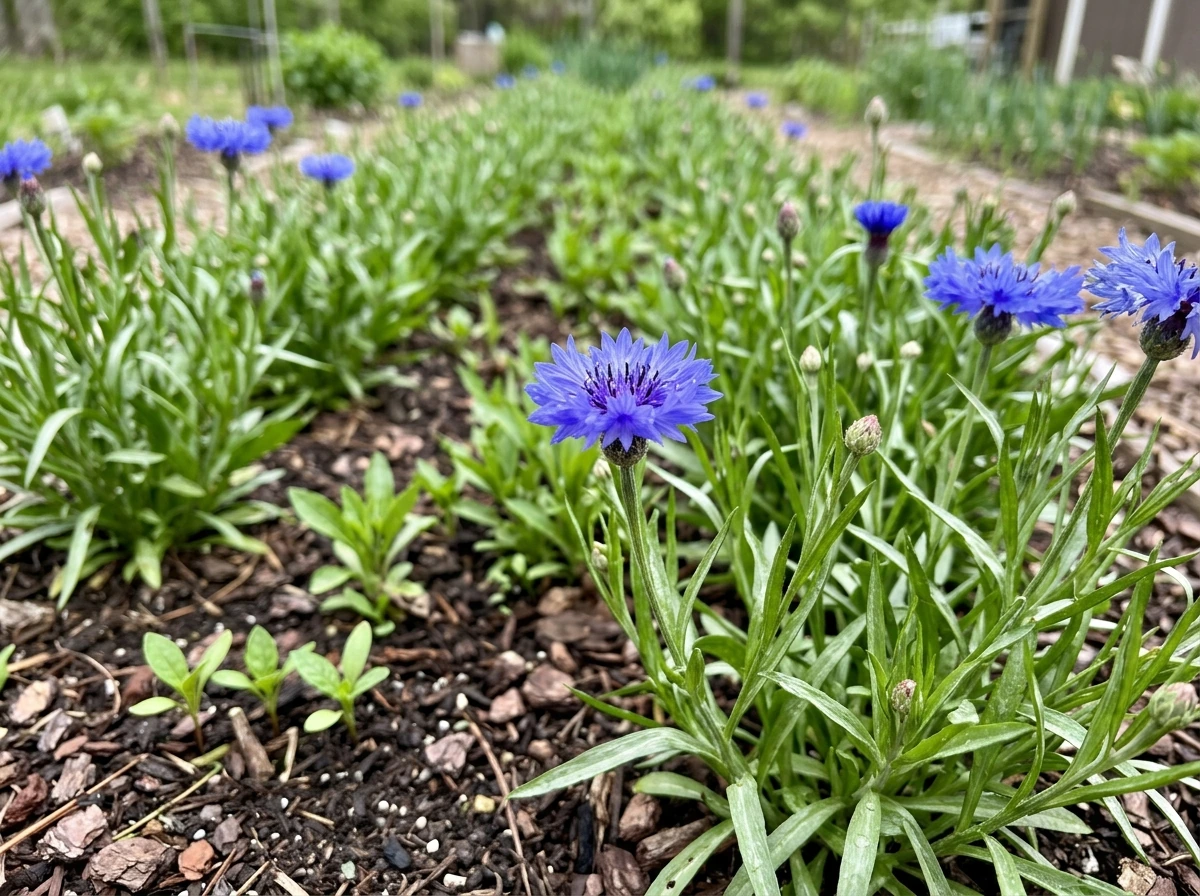
Cornflower Seeds How to Grow: Step-by-Step Guide
Grow cornflowers from seed with timing, depth, spacing, soil, germination expectations, fixes for common issues, and blo