
Growing flowering plants successfully comes down to matching the right plant to your conditions, giving it decent soil and consistent water, and then staying on top of a few simple tasks like deadheading and feeding. Most beginners overthink it. Pick a forgiving annual like a marigold or zinnia, sow it at the right time, keep it in full sun with about an inch of water per week, and you will have blooms within 50 to 60 days. From there, the same core principles scale up to perennials, cutting garden flowers, and more ambitious projects.
How to Grow Flowering Plants From Seed to Bloom

James Holloway
19 May 2026
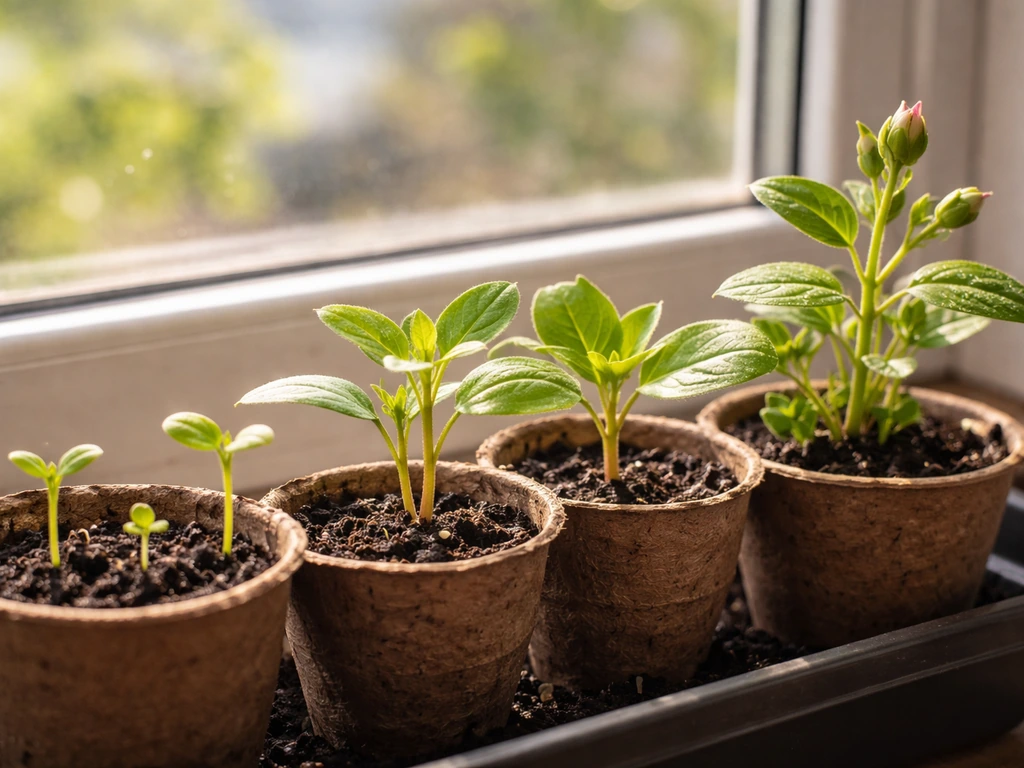
Choosing the right flowering plants for your climate and space
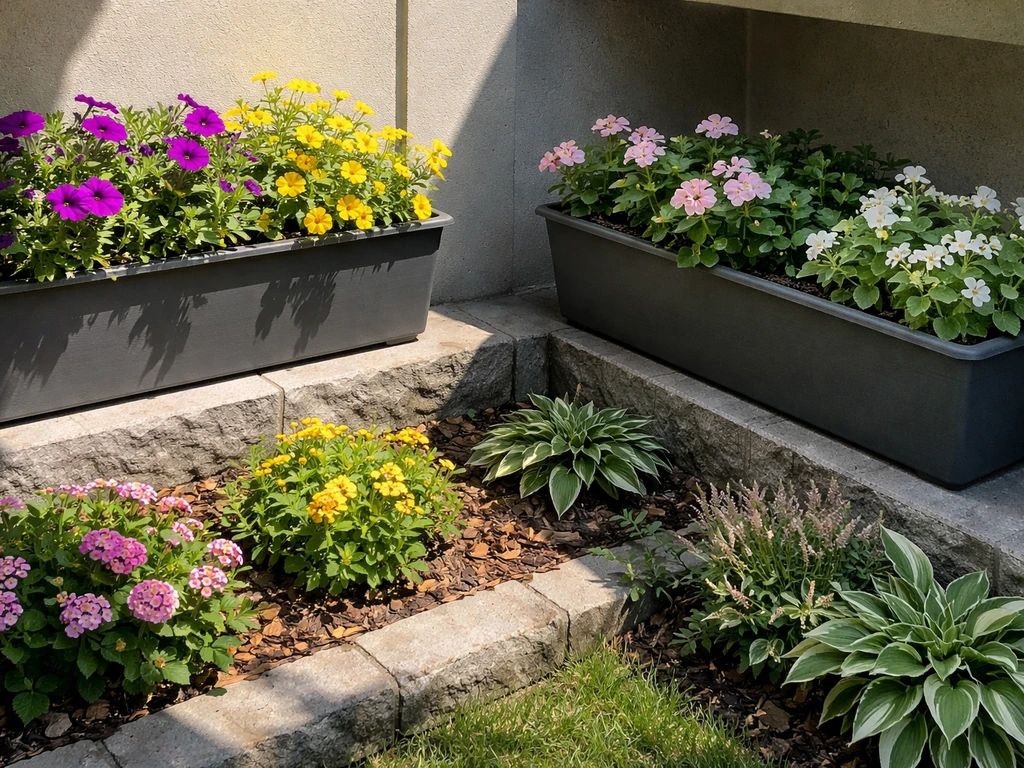
Before you buy a single seed packet, think about two things: how much sun your space gets, and whether you want flowers that come back every year (perennials) or ones you replant each season (annuals). Annuals like marigolds, zinnias, and cosmos produce blooms all season long with relatively little fuss, and they are genuinely forgiving for beginners. Perennials often give you a shorter but reliable burst of color each year, usually around two to three weeks per variety, and they slowly build into bigger, more impressive plants.
Sun is the single biggest factor most people underestimate. Marigolds, for example, need full sun all day to keep blooming reliably from summer through frost. Zinnias are the same. If your garden spot gets less than six hours of direct sun, lean toward perennials like coral bells or daylilies. Daylilies actually do fine in full sun but appreciate a little light shade during the hottest part of the afternoon, which keeps the flowers looking fresh longer. The key is to be honest about your conditions rather than hoping a sun-lover will somehow thrive in a shady corner.
Space matters almost as much as light. A useful rule of thumb for perennials under two feet tall is to space plants one foot apart. Taller plants need more room. For annuals, check the seed packet or a variety chart for the specific spread, since a compact zinnia variety and a giant-flowered type can differ by a foot or more in spread. Getting spacing right from the start improves air circulation, which directly reduces disease problems down the road.
- Full sun (6+ hours): marigolds, zinnias, cosmos, snapdragons, poppies
- Part sun to part shade (3 to 6 hours): coral bells, daylilies (afternoon shade is fine), some rudbeckia
- Annuals: replant each year, bloom all season, great for beginners and cutting gardens
- Perennials: come back yearly, shorter bloom window per variety, build over time
Starting from seed vs. buying seedlings vs. growing from flowers
You have three main ways to get flowering plants in the ground: start from seed, buy transplants from a nursery, or grow new plants from flowers you already have. Each approach has real trade-offs, and honestly I use all three depending on the flower and the time of year.
Starting from seed is the cheapest option and gives you access to a much wider range of varieties than any nursery carries. Direct-sow annuals like zinnias, cosmos, and marigolds are easy to start this way. You just sow them straight into the garden after your last frost date and they take off quickly.
Flowers that need a longer lead time, like snapdragons, petunias, verbena, and rudbeckia, should be started indoors around early March if you are in a typical northern climate, then hardened off in mid to late May before going outside. Hardening off means gradually acclimating seedlings to outdoor conditions over roughly two weeks, starting with an hour or two outside in a sheltered spot and building up from there.
Skip this step and even a healthy, cold-tolerant seedling can take a real hit.
Buying transplants is faster and lower-risk, especially if you missed the indoor-starting window or just want reliable results without the setup. The downside is cost and limited variety selection. For a first season, there is nothing wrong with buying a six-pack of marigolds or a few pots of snapdragons from the garden center and focusing your energy on learning good ongoing care.
Growing new plants from flowers you already have works two ways. The most common is seed saving: let a few flower heads dry fully on the plant, collect the seeds, and sow them next season. Cosmos and zinnias are both easy to save seed from, with viability of three to five years if stored well. The second method is vegetative propagation, either by taking stem cuttings from plants like stock flowers, or dividing established perennial clumps like daylilies in spring or fall. Both approaches are covered more in detail later in the end-of-season section.
Soil, light, and watering setup for blooms
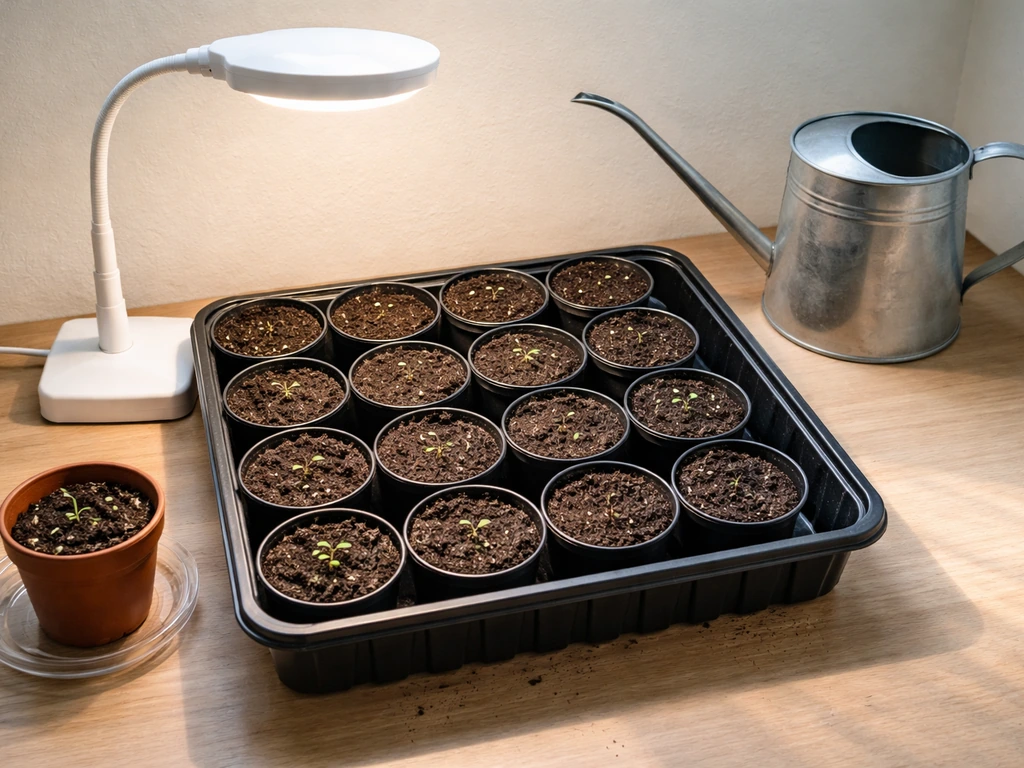
Most flowering plants want soil that drains well but holds enough moisture to stay consistently damp between waterings. If you are trying to grow a flowering maple, focus on matching its soil drainage and moisture needs to the site, then adjust watering as the tree establishes. If your soil is heavy clay or very sandy, work in a few inches of compost before planting. You do not need to overthink soil amendments for annual flowers in particular.
A basic balanced fertilizer like a 10-10-10 (equal parts nitrogen, phosphorus, and potassium) worked into the bed at planting gives most annuals a solid start. For established beds, a moderate nitrogen rate around 0. 1 lb per 100 square feet is a reasonable baseline to maintain through the season.
Water setup is where a lot of beginners either overdo it or neglect their plants at critical moments. New transplants and seedlings need at least one inch of water per week, especially from June through September during dry stretches. The best way to check is to push your finger two inches into the soil: if you cannot feel moisture at that depth, it is time to water.
When you do water, aim to wet the soil to about eight to ten inches deep so roots are encouraged to grow downward rather than staying shallow. Watering in the morning is worth making a habit of, because it gives foliage time to dry during the day, which cuts down on fungal disease problems significantly.
If you have the option, drip irrigation or soaker hoses are ideal for flower beds. They deliver water directly to the root zone, keep foliage dry, and let the soil dry out between cycles for established plants, which is exactly what you want. For new plantings, keep things a bit more consistently moist until roots are established, then ease off to a deeper, less frequent schedule.
Step-by-step planting and transplanting
Timing your planting
Timing is everything with flowering plants. For direct-sow annuals, the general rule is to wait until after your last frost date. In most northern zones that means late April through mid-May. Cosmos, zinnias, and marigolds all handle this approach well and germinate quickly in warm soil. For flowers started indoors, count backward from your expected last frost. Snapdragons and petunias, for example, want about 8 to 10 weeks of indoor time, which puts your indoor start date around early March for a mid-May transplant.
Sowing depth and spacing
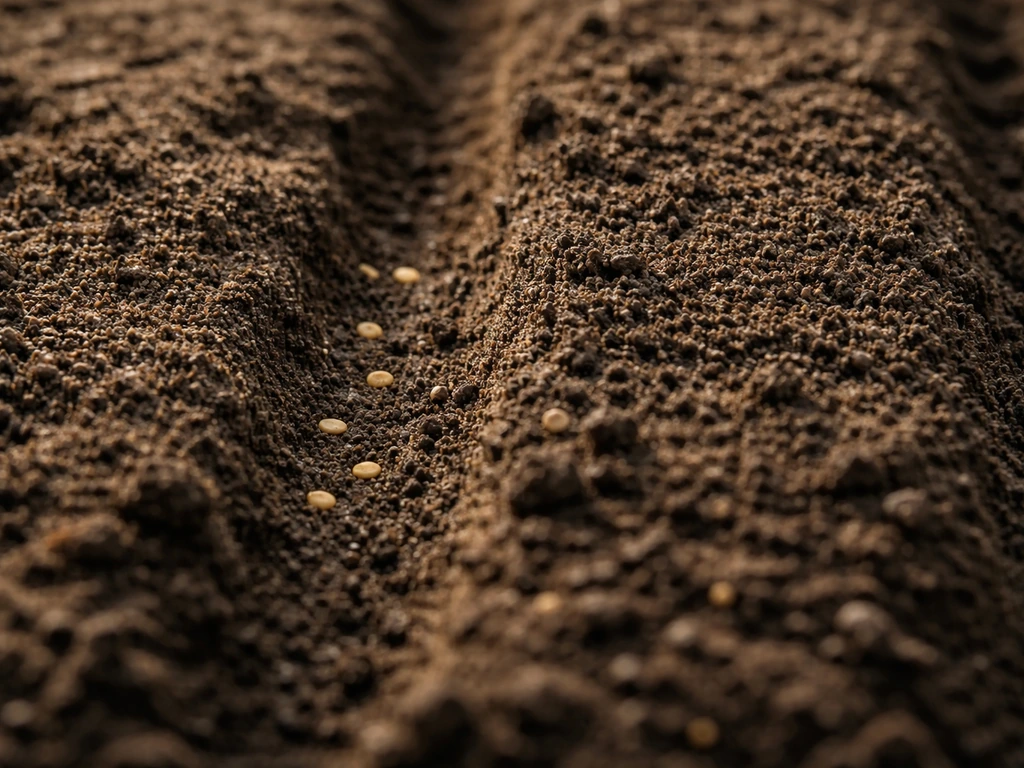
A reliable general rule for planting depth is to sow seeds about two to three times their diameter. Tiny seeds like snapdragon barely get covered; larger seeds like zinnia go about a quarter inch deep. Always check the packet first, since some seeds like poppies actually need light to germinate and should not be buried at all. For summer sowings when the soil surface dries out faster, you may need to water a bit more frequently until germination happens, since shallow-planted seeds dry out quickly in warm weather.
For transplants, dig a hole roughly the same depth as the root ball, set the plant so the crown is level with the soil surface, firm the soil around the roots, and water in well. Spacing depends on mature size. The general perennial guideline of one foot apart for plants under two feet tall is a good starting point, but always defer to the variety-specific spread listed on the tag or packet. Crowding plants to get a fuller look faster is tempting, but it almost always leads to disease problems and poor airflow.
Hardening off transplants
If you started seeds indoors or bought tender seedlings early, do not skip hardening off. Spend about two weeks gradually moving plants outside, starting with an hour or two in a sheltered, partly shaded spot and building toward full sun and longer exposure each day. Avoid windy days early in the process. A cold frame makes this easier in cooler climates. Even plants that are technically cold-hardy can be damaged if moved outside abruptly before they have adjusted.
Ongoing care: feeding, deadheading, and keeping problems in check
Fertilizing through the season
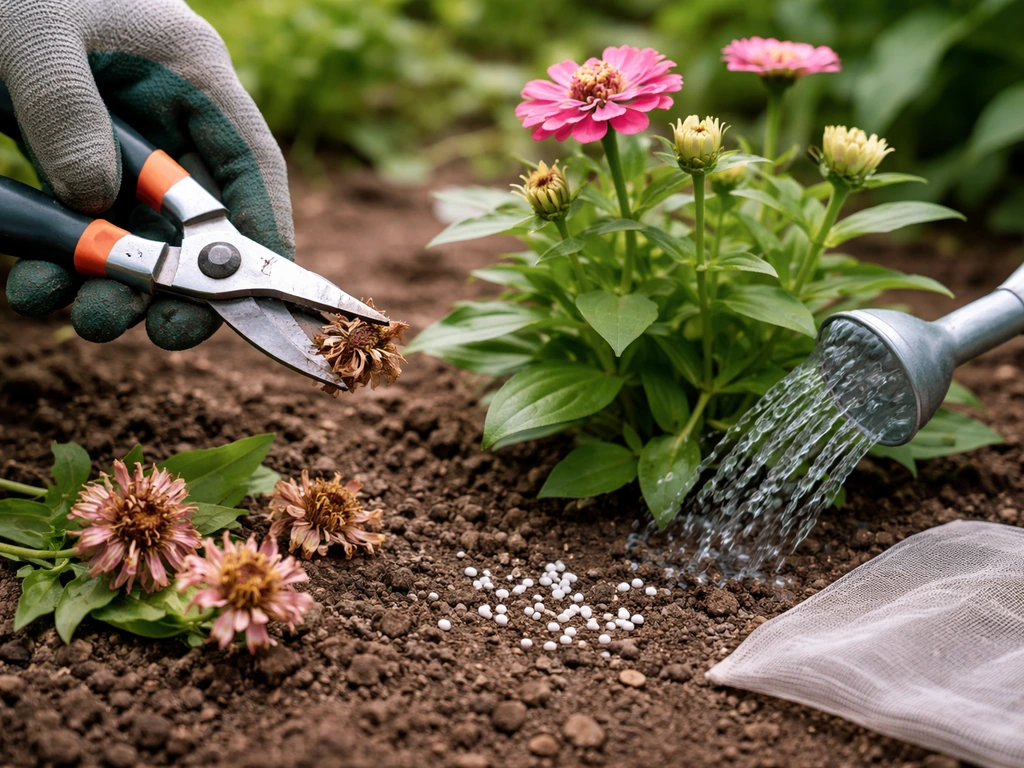
Most flowering annuals benefit from a second round of fertilizer about six to eight weeks after planting, especially if the foliage looks pale or growth has slowed. A balanced granular fertilizer or a diluted liquid feed both work. Be careful not to go heavy on nitrogen with cosmos in particular: too much nitrogen pushes leafy growth at the expense of flowers. If a plant looks lush and green but is not blooming, ease off the feed and let it focus its energy on flower production.
Deadheading for continuous blooms
Deadheading is probably the single most impactful thing you can do to keep flowering plants blooming. When a flower fades and the plant begins forming a seed pod, it shifts its energy toward seed production and slows down making new blooms. Removing spent flowers and developing seed pods redirects that energy back into flower production and keeps the plant looking tidy. For roses and many perennials, cut back to an outward-facing bud or leaf node. For annuals like marigolds and zinnias, pinching or snipping just below the spent flower head is usually enough.
Pests and diseases: early action makes all the difference
The best pest and disease management is preventive. Good spacing, morning watering, and removing dead or diseased foliage promptly eliminates most problems before they start. When something does go wrong, the Integrated Pest Management approach works well: identify the problem accurately first, then use the least disruptive solution that addresses it. A lot of beginners reach for a spray bottle at the first sign of trouble, but correct diagnosis matters more than quick action.
Powdery mildew is one of the most common problems in flower gardens, showing up as a white powdery coating on leaves. Unlike many fungal diseases, it does not need wet leaves to spread, so overhead watering is not always the cause. In severe cases it reduces growth and flowering noticeably. The key is to catch it early: fungicides work best when applied to healthy green tissue before infection gets established. Improve air circulation by thinning overcrowded plants and removing affected growth. Leaf spot diseases are another common issue to watch for: check foliage regularly, especially in humid weather, and act quickly because leaf spots can spread and defoliate a plant fast if left unchecked.
Getting to bloom and keeping flowers coming
What to expect on the way to first bloom
For direct-sown annuals like marigolds and zinnias, expect your first blooms around 50 to 60 days from sowing. Cosmos can take a little longer. In the early weeks you will mostly see leaf growth, which can feel slow, but that is the plant building the root system and stem structure it needs to support flowers. Resist the urge to over-fertilize during this phase thinking it will speed things up. Steady, moderate care beats aggressive feeding almost every time.
Pruning and training for better bloom
Pinching back young plants, especially zinnias, encourages bushier growth and more flower stems. When the plant has four to six sets of leaves, pinch out the growing tip just above a leaf node. It feels counterintuitive to remove growth, but the plant responds by branching out and producing more flowering stems. The same idea applies to taller varieties where stems need support: if flower stalks flop under the weight of blooms, staking or pinching back earlier promotes a sturdier, more self-supporting plant.
To extend the flowering period through the season, combine regular deadheading with periodic cutting back. Cutting an annual back by about one-third when blooming slows mid-season often triggers a fresh flush of flowers. For perennials with a defined bloom window, a technique called 'heading back' before buds open can stagger the bloom time slightly across a planting. Penn State Extension identifies deadheading, pinching back, heading back, cutting back, and thinning as the main pruning tools for extending and managing blooms, and most of them come down to the same principle: removing spent or excess growth redirects the plant's energy toward new flowers.
Harvesting seeds and cut flowers, then planning what comes next
Cutting flowers for the vase
For cut flowers, harvest in the early morning when stems are fully hydrated. Cut at an angle with clean, sharp scissors or pruners, taking the stem back to a leaf node or side shoot so the plant keeps producing. Place stems immediately in cool water. Regular cutting actually keeps many annuals like zinnias, cosmos, and snapdragons blooming more prolifically, since it functions like aggressive deadheading.
Saving seeds to grow new plants from your flowers
If you want to grow new plants from the flowers you already have, seed saving is the most practical route for annuals. Let a selection of flower heads fully dry on the plant, then collect the seeds and spread them on a paper towel to dry completely before storage. This is important: seeds that are even slightly damp when sealed into storage will rot or lose viability fast.
Store dried seeds in a cool, dark, dry place, ideally in sealed envelopes or small jars in a refrigerator. Cosmos and zinnia seeds stored properly stay viable for three to five years. More sensitive seeds like viola or salvia are only good for about one to two years even under ideal conditions. Exposure to temperatures above 90°F during storage significantly reduces future germination rates, so avoid keeping seeds in a hot garage or shed through summer.
For perennials, division is the main way to multiply plants from what you already have. Dig up an established clump in early spring or fall, split it into sections with a spade or garden fork, and replant the divisions at the same depth they were growing. This also rejuvenates older clumps that have started to bloom less. Stem cuttings work for some flowering plants too, including stock flowers and certain tender perennials grown as annuals.
Planning your next planting cycle
The end of the season is honestly the best time to plan the next one. Note what worked, what did not, and where you want more color or different bloom times. If you grew a mix of annuals and perennials, think about layering in varieties with staggered bloom windows to extend the overall display. If you relied entirely on fast-blooming annuals, consider adding a few perennials that will fill in reliably each year while you direct-sow new annuals around them. Seed saving, smart storage, and honest end-of-season notes will put you ahead every year, and after a couple of seasons the whole process starts to feel a lot more intuitive than it did on that first seed-sowing day.
| Flower | Annual or Perennial | Light Needed | Days to Bloom from Seed | Good for Beginners? |
|---|---|---|---|---|
| Marigold | Annual | Full sun | 50–60 days | Yes |
| Zinnia | Annual | Full sun | 50–60 days | Yes |
| Cosmos | Annual | Full sun | 60–75 days | Yes |
| Snapdragon | Annual (cool season) | Full sun | ~100 days from indoor start | Yes (start indoors) |
| Daylily | Perennial | Full sun to part shade | N/A (blooms in year 2+) | Yes |
| Coral Bells | Perennial | Part shade to full sun | N/A (grown for foliage/flowers year 2+) | Yes |
FAQ
How do I choose flowering plants if I do not know my exact sun hours?
Estimate by observing your yard in two time blocks (morning and afternoon) for several clear days. If a spot gets bright direct light much of the day, most “full sun” annuals will work. If the area only reliably gets direct sun in the morning or stays shaded most afternoons, lean toward plants labeled “part shade,” because “full sun” plants often bloom less and get leggy even if they survive.
What is the easiest way to prevent seedlings from dying after germination?
Keep the top layer consistently moist until seedlings establish, but avoid soaking the whole bed. Use a gentle watering method (mist or bottom watering) so you do not blast soil away from tiny seeds. Once seedlings have true leaves, transition to deeper, less frequent watering so roots grow downward.
Should I fertilize right away when I start seeds or transplants?
Usually wait until you see active growth (or about 4 to 6 weeks after transplanting). Early feeding can burn tender roots, and it can also push too much foliage growth before the plant is ready to flower. If you already amended with compost, start with lighter feeding and only increase if plants look pale or growth stalls.
My plants are growing lots of leaves but not many flowers, what should I check?
First, reduce nitrogen. Too much nitrogen often causes lush growth with delayed or reduced blooms, especially for plants like cosmos. Next, confirm they are getting enough sun, because shade also produces leafy plants with fewer flowers. Finally, check spacing and airflow, since crowded plants may fail to initiate strong flowering.
How often should I water flowering plants in hot weather?
Use a soil-depth check rather than a fixed schedule. Push a finger about two inches down, if moisture is absent at that depth, water. In heat waves, you may need more frequent surface watering, but aim to wet deeper (about 8 to 10 inches) so roots are encouraged to grow down.
What is the best way to handle watering if I am away for a few days?
Water thoroughly right before you leave so the root zone is hydrated, then switch to a slower delivery method if possible (soaker hose or drip on a timer). For containers, use a pot-in-pot setup or group pots together to reduce evaporation. Avoid heavy fertilizing right before travel, since it can increase stress when growth continues without you.
Why are my flowering plants flopping, and how do I fix it without harming them?
Flopping is often a sign of weak stems from low light, overcrowding, or pinching too late. Correct spacing and ensure full sun. For tall varieties, support early with stakes or cages before blooms get heavy. If you have young plants, pinching earlier can prevent floppiness by encouraging sturdier branching.
Can I grow flowering plants in containers, and what changes?
Yes, but you must adjust watering and nutrition. Containers dry out faster, so check moisture more often and water until excess runs out of the bottom. Use a quality potting mix (not garden soil) and feed more regularly because nutrients wash out. Choose varieties sized for containers, since mature spread affects how quickly plants become crowded.
How do I deadhead correctly if flowers produce seeds right away?
Deadhead faded blooms promptly before seed pods fully form. If you see the plant transitioning into pod development, snip just below the spent flower head so you redirect energy back toward new buds. For some perennials, cut back to an outward-facing bud or leaf node to shape the plant while encouraging new flowering.
What is the most common mistake when germinating seeds?
Planting at the wrong depth and covering seeds that need light. Follow the packet depth rule (often two to three times the seed diameter), and watch for “light-dependent” seeds like poppies. Also avoid letting the seedbed dry out after sowing, shallow seeds can dry quickly in warm weather.
How do I tell powdery mildew versus leaf spot, and what should I do first?
Powdery mildew shows as a white coating that can appear even when leaves are not staying wet. Leaf spot is more likely to look like distinct dark or colored lesions on foliage. For either, remove heavily affected leaves early to slow spread, improve airflow by thinning, and keep watering at the soil level when possible.
When is the best time to divide perennials, and does it matter?
Timing affects how quickly divisions re-establish. Many clumps divide well in early spring before peak growth or in fall when temperatures cool, but avoid dividing during extreme heat or when the plant is in full bloom if you want faster recovery. Replant at the same depth, then water consistently for the first couple of weeks to help the roots re-form.
How can I extend bloom time beyond deadheading?
Combine deadheading with staggered plantings or staggered varieties. If you direct-sow annuals, sow in small batches every couple of weeks instead of all at once so you get successive waves of flowers. For perennials, selecting varieties with different bloom windows creates a longer overall display than relying on one “peak week” plant.
Can I save seeds from any flowering plant?
Not always. Some annuals are easy to save, like cosmos and zinnias, but hybrids may not produce the same traits next year. To maximize predictability, save seed only from plants that clearly match the variety you want and avoid cross-pollination if you are growing multiple similar types nearby.
How do I store seeds so they germinate next season?
Dry them completely before sealing. If seeds feel at all damp or flexible, continue drying until dry and brittle. Store in a cool, dark, dry location, sealed to prevent humidity, and keep them away from hot garages or sheds where summer temperatures can drop germination rates quickly.
Next Articles
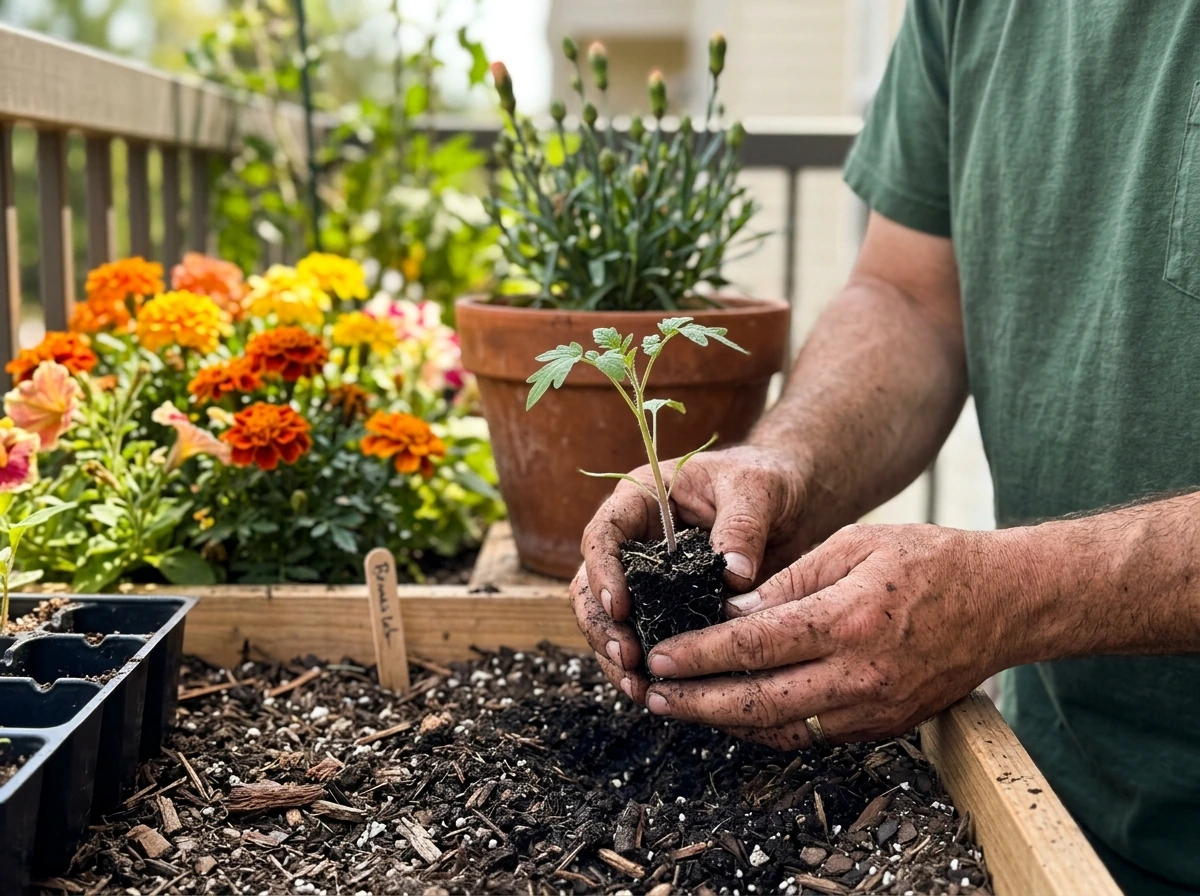
Steps to Grow a Flower From Seed to Bloom
Step-by-step steps to grow flowers from seed to bloom, including soil, germination, transplant, feeding, deadheading, an
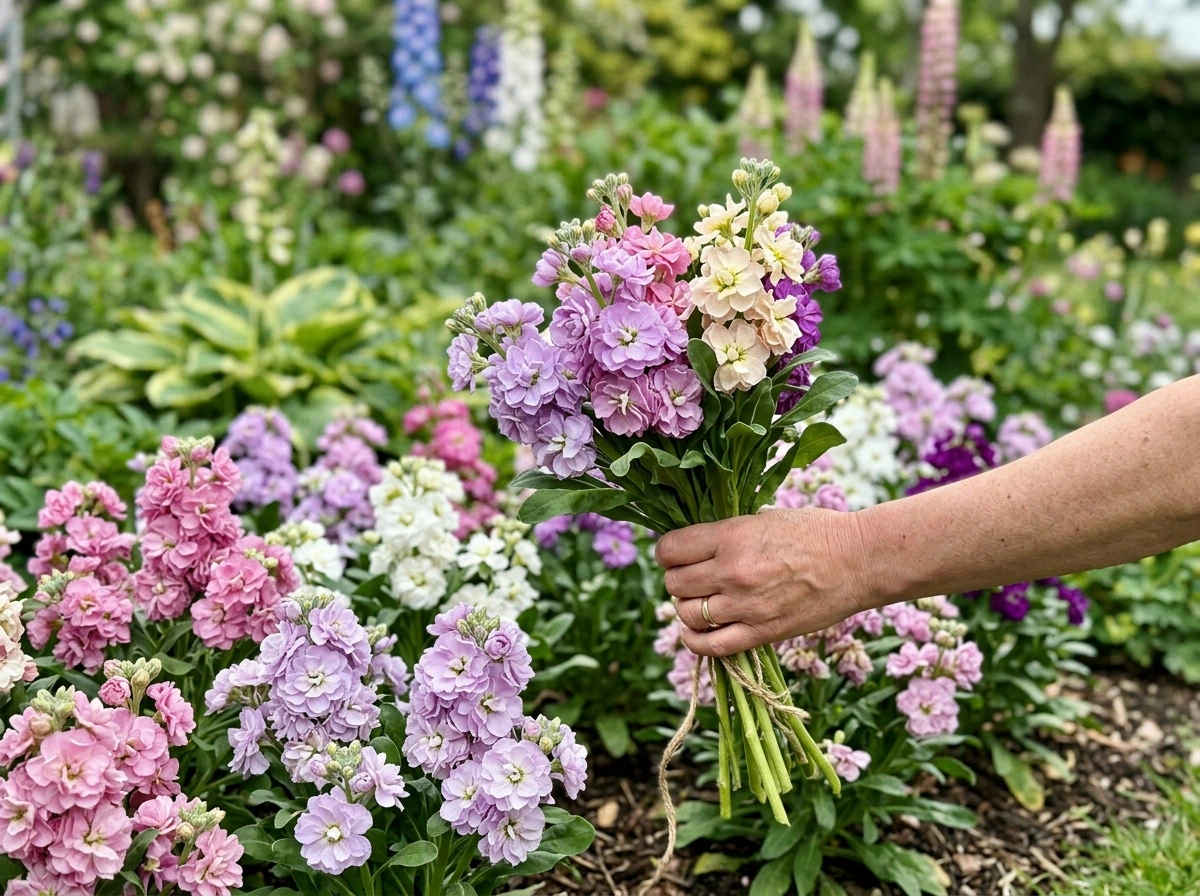
How to Grow Stock Flowers From Seed to Bloom
Step-by-step how to grow stock flowers from seed to bloom, including timing, care, troubleshooting, and cut-flower harve
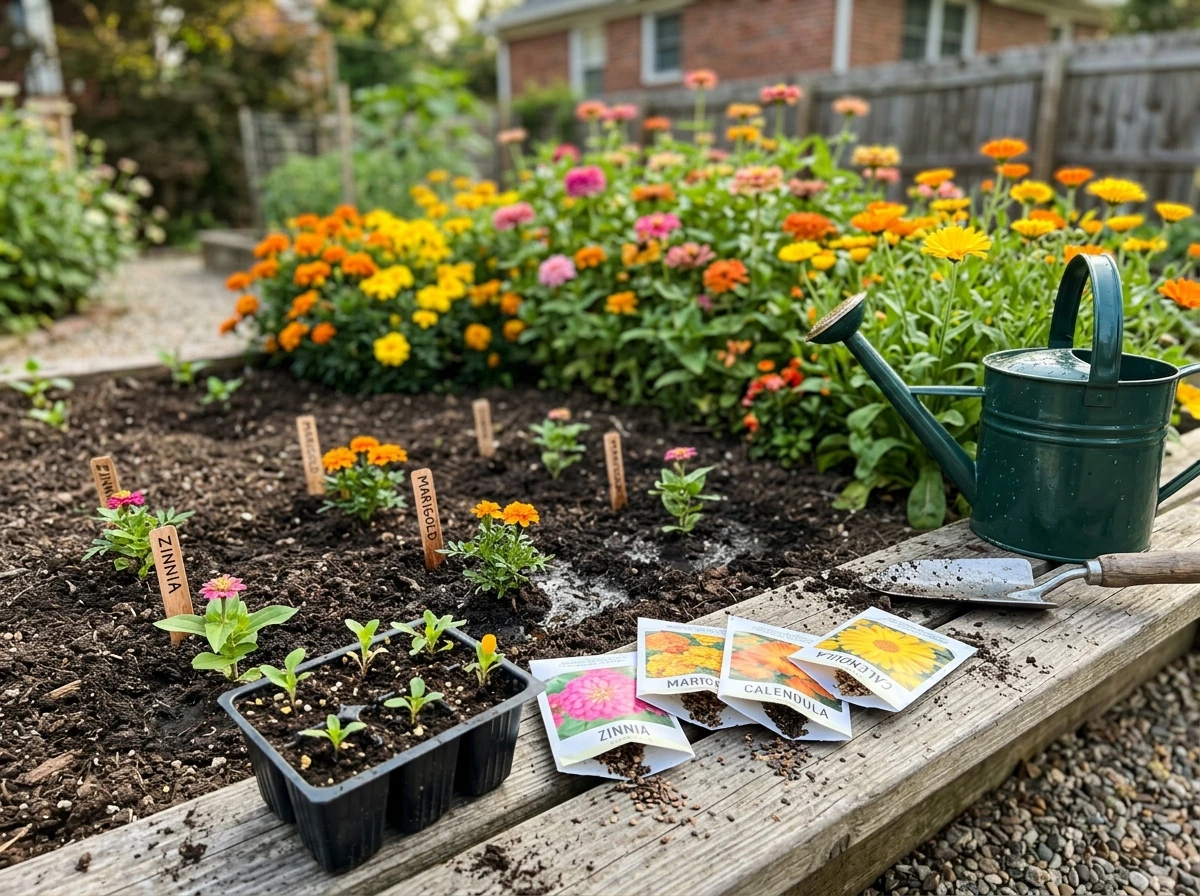
How to Grow a Flower Garden: Step-by-Step From Seed to Bloom
Step-by-step guide to grow a flower garden from seed to bloom, with planting, care, timing, and troubleshooting.